
Health
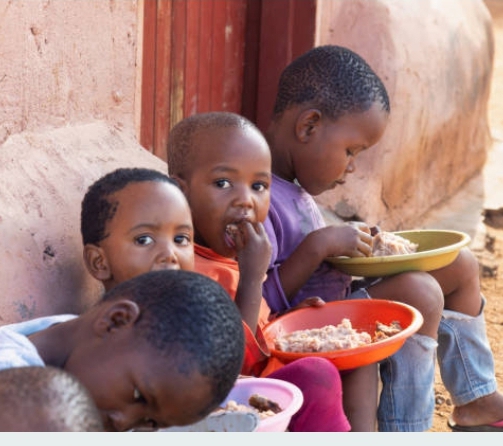
One out of every 4 children in Benue suffering nutritional deficiencies- UNICEF

From Attah Ede, Makurdi
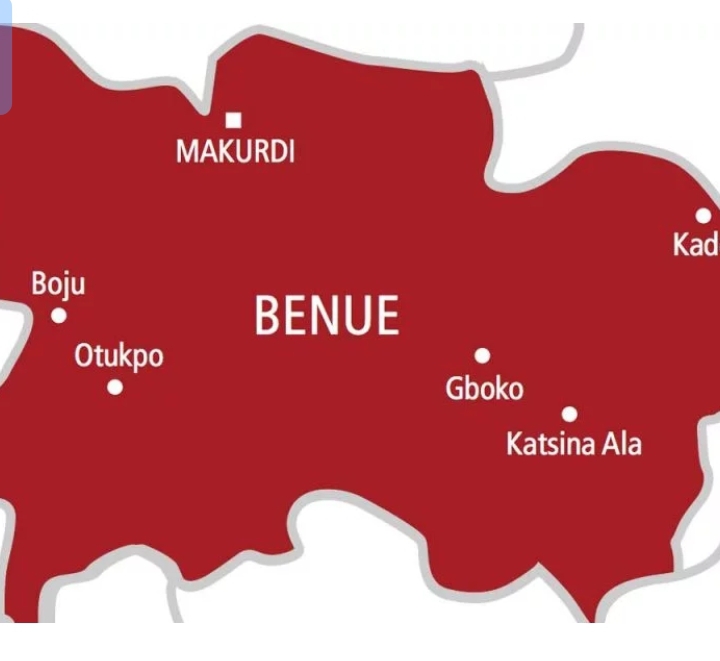
The United Nations Children’s Fund (UNICEF), has revealed that one out of every four Benue State is stunted and experiencing nutritional deficiencies.
The International organisation further intimated that findings from the 2024 Nigeria Demographic and Health Survey showed that 25.5 percent of children under five years in the state are stunted, an indication of chronic malnutrition.
The UNICEF Nutrition Specialist with UNICEF’s Enugu Field Office, Mrs. Ngozi Onuora, disclosed this during a High-Level Engagement and Planning Meeting for Policymakers,
Local Government Councils and Stakeholders on the United States Government-funded initiative, “Preventing Malnutrition in the First 1,000 Days of Life” held in Makurdi, the State capital.
Mrs. Onuora further revealed that only 6.4 percent of children in the state consume the minimum acceptable diet, a figure she described as evidence of poor dietary diversity and inadequate feeding practices.
She appealed to the Benue State Government to make adequate investments in nutrition programmes and release counterpart funding for the Child Nutrition Fund.
Onuora stressed that malnutrition continues to threaten the health and development of thousands of children in the state.
Mrs. Onuora, explained that the programme was designed to address malnutrition during the critical period from conception to a child’s second birthday, regarded globally as the most important window for physical growth and brain development.
According to her, the initiative is being implemented with funding support from the United States Government and aligns with Nigeria’s Multisectoral Plan of Action for Nutrition.
“Benue and Enugu were among seven states selected nationwide to benefit from the programme, with 12 local government areas chosen in Benue for implementation.
“Nutrition is a foundation of human capital development and investments made during the first 1,000 days of life determine a child’s future health, educational attainment and economic productivity.
“The first 1,000 days of life, from conception to a child’s second birthday, provide a unique opportunity to influence growth, brain development and future productivity. It is during this period that the foundation for a healthy and prosperous society is laid.
“Despite Benue’s reputation as Nigeria’s food basket, the state continues to record worrying nutrition indicators.
Findings from the 2024 Nigeria Demographic and Health Survey indicated that 25.5 percent of children under five years in the state are stunted, an indication of chronic malnutrition.
“One out of every four children in Benue is stunted. This means these children are not attaining the expected height for their age because of prolonged nutritional deficiencies,” the Specialist said.
She noted that poverty, displacement caused by insecurity and limited access to nutrition services have compounded the challenge.
According to her, UNICEF recently conducted nutrition screenings in one of the affected local government areas and discovered alarming levels of acute malnutrition among children.
“We screened 127 children and found that only 26 percent were normal. About 46 percent were suffering from Severe Acute Malnutrition, while many others had moderate acute malnutrition. These are figures that require urgent intervention,” she said.

The UNICEF official also highlighted the prevalence of anemia in the state, disclosing that 56 percent of pregnant women and 61 percent of children under five suffer from the condition.
To address the challenge, she said the programme would support the procurement and distribution of nutritional commodities including Small Quantity Lipid-Based Nutrient Supplements (SQLNS), Ready-to-Use Therapeutic Foods (RUTF) and Multiple Micronutrient Supplements (MMS).
She explained that the supplements help prevent malnutrition, reduce anemia and improve the nutritional status of pregnant women and young children.
Mrs. Onuora, however, stressed that the success of the programme would depend largely on the willingness of the Benue State Government to take ownership of it.
“Our request is simple. The state government must own this programme. Development partners can provide technical assistance and support, but sustainability can only come when government invests resources and drives implementation,” she stated.
She also called for nutrition-focused budgets across key ministries and agencies, including Health, Agriculture, Education and Women Affairs, to ensure effective implementation of the state’s nutrition action plan.
Speaking with journalists on the sidelines of the meeting, the Benue State Commissioner for Health and Human Services, Paul Ogwuche, assured UNICEF and other stakeholders that Governor Hyacinth Alia’s administration remained committed to improving healthcare and nutrition outcomes in the state.
He described the US Government-supported initiative as a welcome intervention and pledged the state’s cooperation.
“We are grateful to the United States Government and UNICEF for this initiative. The Benue State Government is committed to working with partners to ensure that our children are protected from malnutrition and that the programme succeeds,” he said.
Ogwuche maintained that the present administration had introduced reforms across various sectors and would provide the necessary support for nutrition interventions.
“The Governor has consistently demonstrated commitment to the wellbeing of the people. I can assure you that this programme will receive the needed attention and support from government,” he added.
Also speaking, the Director-General of the Benue State Budget and Economic Planning Commission, Jerome Andohol, said the fight against malnutrition requires coordinated action across several sectors.
He identified health, education, agriculture, social protection and water, sanitation and hygiene as critical sectors that must work together to improve nutrition outcomes.
Andohol disclosed that the state was considering budget realignments to create dedicated nutrition funding lines and strengthen monitoring mechanisms to track implementation.
“We want to ensure that nutrition is adequately captured in the budgets of relevant sectors. We also intend to engage local governments so they can contribute to the Child Nutrition Fund alongside the state government,” he said.
The Commissioner for Education and Knowledge Management, Margaret Adamu, emphasized the link between nutrition and learning, noting that malnourished children often struggle academically.
“A child who is not properly nourished cannot effectively learn. Nutrition is therefore not only a health issue but also an education and development issue,” she said.
She advocated greater public awareness on healthy feeding practices and the use of locally available food products to improve children’s diets.
The meeting attracted commissioners, local government chairmen, development partners and other stakeholders who deliberated on strategies for reducing malnutrition and improving maternal and child nutrition across Benue State.
Stakeholders agreed that stronger government commitment, increased funding and sustained multi-sectoral collaboration would be essential to achieving lasting improvements in nutrition and securing a healthier future for children in the state.