
News
Niger Govt Moves to Modernize Grazing Reserves, End Farmer-Herder Clashes

By Daniel Ebi, Minna.
The Niger State Government has commenced a comprehensive programme to identify, preserve and modernize grazing reserves across the state as part of measures to curb recurring farmer-herder clashes and promote peaceful coexistence between pastoralists and farming communities.
Deputy Governor Comrade Yakubu Garba disclosed this at the weekend while representing Governor Mohammed Umaru Bago at the third anniversary celebration of Pastoralists’ Day, popularly known as Yanlde Fulbe, held at the Siyyam International Conference and Event Centre in Minna.
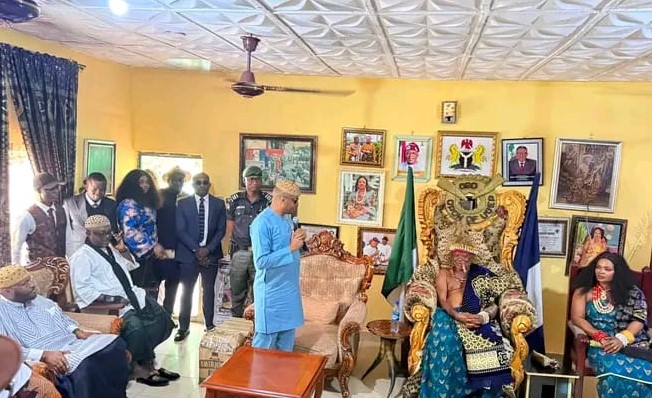
Garba said the government had identified longstanding challenges surrounding grazing reserves and was taking steps to address them, noting that one reserve had already been gazetted while another was being considered for development.
He identified disputes over access to grazing land as a major trigger of conflicts between pastoralists and host communities, stressing that sustainable development could only thrive in an atmosphere of peace.
“The government is engaging traditional institutions on how to preserve grazing reserves and ensure that pastoralists can live peacefully within designated communities,” Garba said.
The Deputy Governor explained that the proposed modern grazing reserve model would extend beyond the provision of land, incorporating improved pasture and grass seeds, reliable water supply, schools and healthcare facilities for pastoralist families.
He particularly stressed the importance of education, saying access to modern educational opportunities would encourage pastoralist communities to settle, improve their livelihoods and participate more effectively in the wider economy.
Garba commended pastoralists for their contributions to Nigeria’s livestock and meat value chain and urged them to maintain peaceful relations with farming communities.
He also assured the gathering that the Bago administration, working with the Federal Government, had developed additional projects and social intervention programmes aimed at improving the welfare and economic prospects of pastoralists across the state.
The Commissioner for Nomadic and Pastoral Affairs, Umar Sanda Rabe, described the celebration as an important platform for dialogue, integration and collective efforts to address the challenges confronting pastoralist communities.
Rabe said the state government had supported advocacy and registration initiatives designed to improve civic and social inclusion among pastoralists, particularly in communities where access to identity and voter registration services remained limited.
He encouraged pastoralists to embrace modern and commercial livestock production, including proper record-keeping and business-oriented management practices, to improve productivity and profitability.
The National Chairman of the Miyetti Allah Cattle Breeders Association of Nigeria (MACBAN), Alhaji Baba Othman Ngelzarma, commended the Niger State Government for promoting peace, inclusion and pastoralist participation in governance.
Ngelzarma appealed for the establishment of additional grazing reserves, arguing that properly designated and managed reserves would help reduce friction between farmers and herders while creating a more sustainable environment for livestock production.
He also urged pastoralist parents to enrol their children in both Western and Islamic education, stressing that education remained critical to securing the future of the next generation and reducing their vulnerability to social vices.
Representing the Executive Secretary of the National Commission for Nomadic Education, Mallam Bashir Mohammed Abbo praised Governor Bago for establishing a dedicated Ministry of Nomadic and Pastoral Affairs.
He described the initiative as a landmark step that had enhanced the dignity, visibility and participation of pastoralist communities in the affairs of the state.
The celebration also featured a paper presentation by Emmanuel Musa KSM of Ibrahim Badamasi Babangida University (IBBU), Lapai, titled “Armed Banditry and the Changing Social and Traditional Values of the Fulani Communities of Niger State: A Critical Evaluation of Ibn Khaldun’s Philosophy of the Nomadic People”.
The discussions underscored the need for sustained dialogue, education, responsible land management and inclusive government policies as critical components of efforts to address farmer-herder tensions and build a more peaceful and productive livestock sector in Niger State.


