
News
Climate Change Threatens Nigeria’s Roads, Cities — NIHTE Sounds Alarm

By Nafisat Yusuf
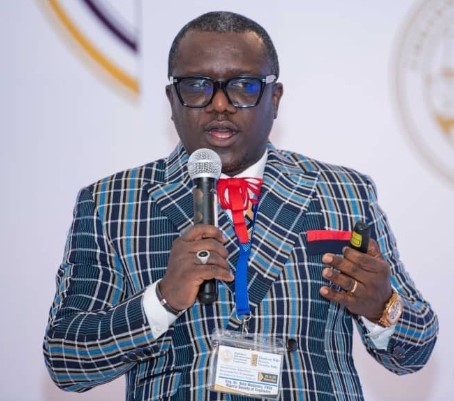
Nigeria must urgently overhaul the way it designs and finances infrastructure as climate change, flooding, extreme heat and rapid urbanization increasingly threaten roads, cities and public assets,
The Acting National Chairman of the Nigerian Institution of Highway and Transportation Engineers (NIHTE), Bola J. Mudasiru, has warned.
Mudasiru gave the warning while presenting a paper titled, “Sustainable Infrastructure, Resilient Nation: Engineering Solutions for Growth and Climate Action,” at the 2026 Annual Conference of the Nigeria Society of Engineers, Bwari Branch.
He said Nigeria could no longer afford to plan infrastructure based largely on historical weather patterns, stressing that roads, bridges, drainage systems and other public assets must now be designed to withstand projected climate conditions.
According to him, the country’s estimated $100 billion annual infrastructure financing gap has evolved beyond a funding challenge into a major climate and development risk.
“Engineers who treat climate as a secondary concern are building in failure by default. The construction problem is now a climate risk problem first,” he told participants at the conference.
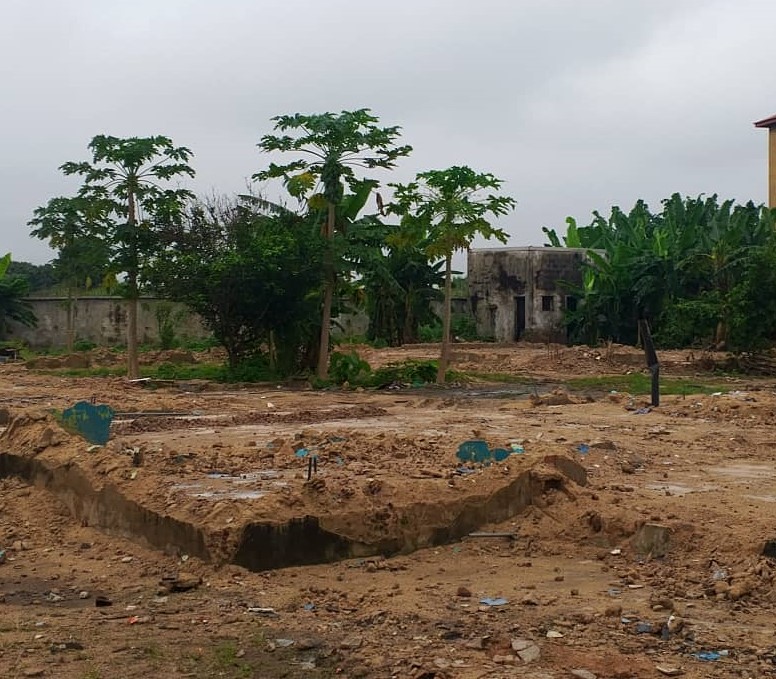
Mudasiru explained that many roads, bridges and drainage systems were designed using historical rainfall and flood data that no longer adequately reflected current weather patterns.
He warned that infrastructure originally expected to remain functional for decades was increasingly being damaged or rendered ineffective within a much shorter period due to flooding, extreme rainfall and other climate-related pressures.
The NIHTE chairman also highlighted the pressure being placed on Nigerian cities by rapid population growth and urbanization.
He noted that more than 123 million Nigerians now live in urban areas, with urban populations growing by about 4.1 per cent annually, adding that more than half of the country’s population is expected to live in cities by 2030.
Mudasiru said Nigeria’s population, which has surpassed 220 million, could reach about 400 million by 2050, putting further pressure on urban transportation, housing, water supply, drainage and other critical infrastructure.
He projected that Lagos alone could have a population of about 24 million by 2030, while Abuja, Kano, Port Harcourt and Ibadan are already experiencing growing pressure on their infrastructure systems.
On funding requirements, he cited the 2020 National Integrated Infrastructure Master Plan (NIIMP), which projects that Nigeria would require about $2.3 trillion in infrastructure investment by 2043 to raise infrastructure stock to 70 per cent of GDP.
He, however, stressed that increasing infrastructure spending alone would not solve the country’s problems, arguing that investment must be accompanied by better planning, stronger standards and climate-informed engineering.
According to him, future infrastructure codes and standards should incorporate climate projections rather than relying solely on historical data.
Mudasiru also called for a shift from selecting projects primarily on the basis of the lowest construction cost to adopting whole-life costing, which takes into account the cost of operating, maintaining, repairing and eventually replacing infrastructure over a 30-to-50-year period.
He further urged the Federal Government, states and local governments to allocate resources to disaster prevention and resilience rather than concentrating spending on repairs after disasters occur.
He recommended the creation of ego-referenced infrastructure asset registers, harmonized floodplain maps and an open-access national hazard platform to improve planning and emergency response.
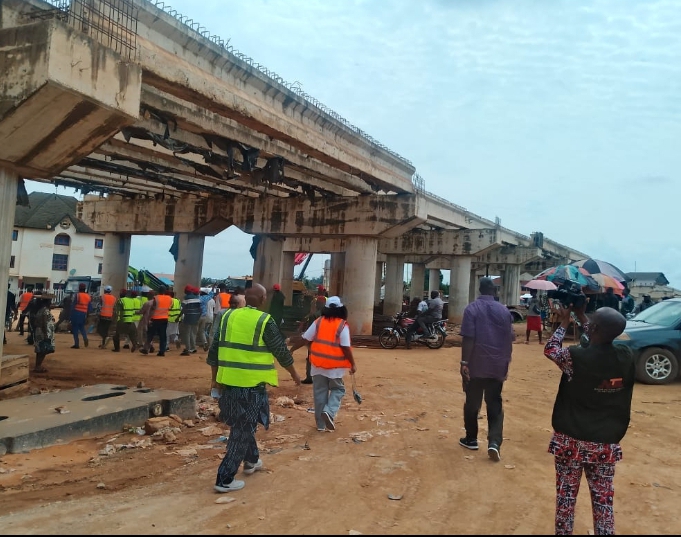
The NIHTE chairman also called for stricter enforcement of planning regulations, particularly against the construction of buildings on drainage channels and floodplains.
He advocated mandatory flood-risk disclosure in property transactions and appropriate sanctions for developers who violate planning setbacks and environmental regulations.
At the same time, Mudasiru proposed tax incentives and accelerated approvals for developers who voluntarily exceed minimum environmental and climate-resilience standards.
He maintained that climate-resilient infrastructure should not be viewed simply as an additional financial burden, but as an investment capable of protecting businesses, jobs, communities and investor confidence.
“International capital follows predictable, manageable risk,” he said, adding that infrastructure capable of remaining operational during floods and other climate shocks would strengthen Nigeria’s attractiveness as an investment destination.
Mudasiru attributed a significant part of the flooding experienced in Nigerian cities to weak enforcement of planning and environmental laws.
He said the situation demonstrated that engineering solutions alone could not address the country’s climate and infrastructure challenges, insisting that institutional reforms and political commitment were equally necessary.
“These are institutional failures that engineering solutions alone cannot resolve. They require political will,” he said.
The NIHTE chairman also warned that decisions being made today on infrastructure would have long-term consequences for future generations.
“We do not inherit infrastructure from our predecessors. We borrow it from our successors. Every design decision we make today is a gift or a burden to the engineers, communities, and economies of the next generation,” he said.
He therefore urged engineers and other built-environment professionals to embrace adaptive designs, nature-based solutions and integrated urban planning in developing infrastructure capable of withstanding future climate pressures.
Mudasiru said Nigeria’s ability to maintain productive and livable cities would increasingly depend on whether climate resilience was integrated into infrastructure design, urban development and public budgeting from the outset.