News
Africa’s Infrastructure Faces New Era as AI, Digital Twins Take Centre Stage — Bola

By Andrew Haruna
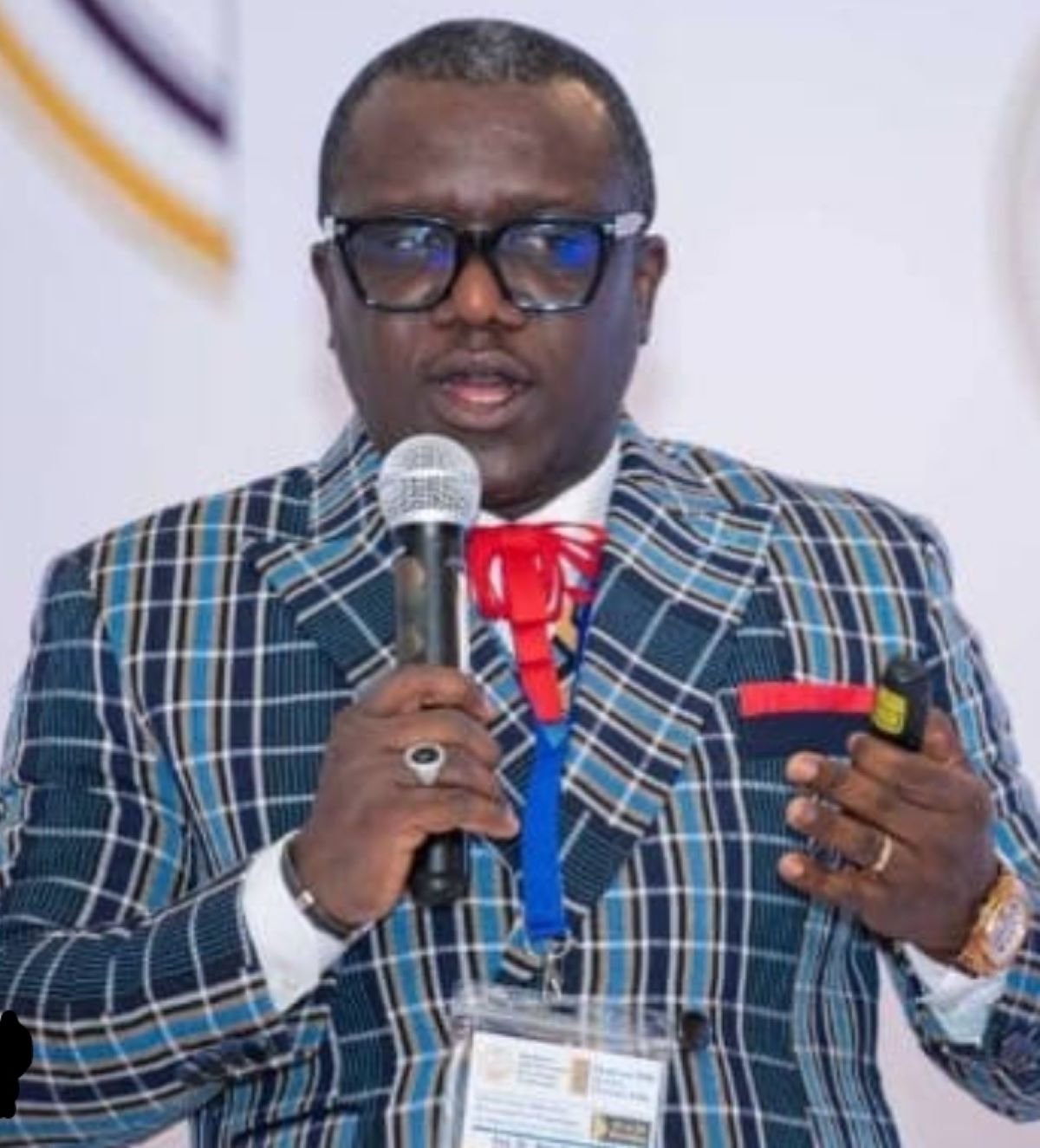
An engineering expert, Bola Mudasiru, has called for the urgent adoption of Artificial Intelligence (AI), Internet of Things (IoT) and digital ecosystems to transform Africa’s infrastructure and make it more resilient, efficient and future-ready.
Bola, who is the Acting National Chairman of the Nigerian Institution of Highway & Transportation Engineers (NIHTE) and Vice President-Elect (Anglophone) of the West African Federation of Engineering Organizations, made the call in a presentation titled “Engineering the Digital Nervous System: AI and Digital Ecosystems for Future-Ready African Infrastructure.”
He said Africa’s rapidly growing population was intensifying the demand for roads, energy, water and digital infrastructure, while limited public financing, fragmented funding pipelines and outdated procurement frameworks continued to constrain infrastructure delivery.
According to the presentation, Africa’s population, estimated at about 1.55 billion in 2025, could rise to approximately 2.5 billion by 2050 and between 3.9 and 4.0 billion by 2100, potentially accounting for about 40 per cent of the global population.
It added that Africa’s annual infrastructure needs, currently estimated at between $130 billion and $170 billion, could exceed $250 billion by 2050 and rise beyond $400 billion by 2100, while the present annual financing gap stands at between $68 billion and $108 billion.
Dr. Bola said technological disruption was already reshaping how infrastructure was planned, financed and delivered, stressing that predictive analytics, digital twins and integrated data ecosystems were becoming essential tools in modern engineering practice.
He described AI as the “engine of infrastructure evolution,” noting that agentic AI could act autonomously to improve performance and create value throughout the infrastructure life cycle, from planning to operation.
Understanding the impact of AI, he explained that AI was increasingly being applied in urban operations, including traffic control, emergency response, infrastructure inspections, enforcement, utilities optimization and digital service delivery.
The expert advocated the development of what he termed the “digital nervous system” of infrastructure, where physical assets are connected to intelligent data ecosystems capable of monitoring their condition, detecting stress and responding intelligently to changing circumstances.
He said continuous monitoring through embedded IoT sensors, self-optimizing systems and cuber-physical technologies could transform African infrastructure from static physical assets into dynamic systems capable of predictive response, self-optimization and improved resilience.
On digital twins, Mudasiru explained that the technology goes beyond a conventional 3D model, describing it as a real-time virtual replica of a physical asset that is continuously updated with sensor data and capable of mirroring the asset’s behaviour under actual operating conditions.
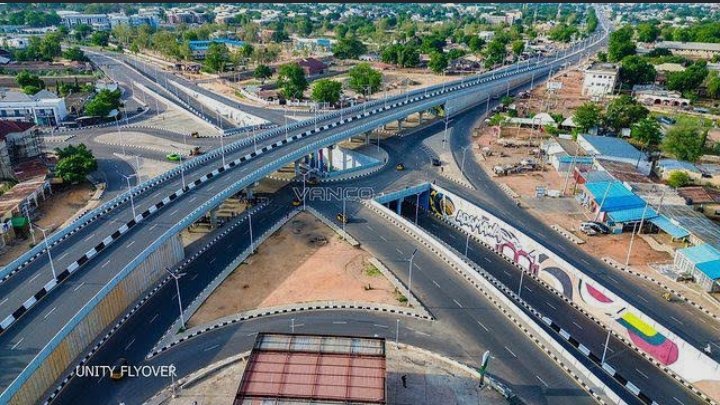
He said digital twins could be deployed in highway infrastructure to simulate the impact of overloaded trucks, floods and other extreme conditions, model deterioration under different maintenance scenarios and conduct “what-if” analyses to guide investment and emergency response decisions.
The presentation also highlighted the role of digital Pavement Management Systems and Bridge Management Systems in improving infrastructure maintenance.
According to Mudasiru, automated laser and camera survey vehicles can generate objective road-condition ratings and network-wide “health maps”, enabling authorities to prioritize interventions and optimize budgets across thousands of kilometers of roads.
Similarly, Bridge Management Systems can store inspection records, material test results, load ratings and maintenance histories, while decision-support algorithms can help prioritize interventions based on condition, criticality and traffic volume.
He further identified predictive maintenance as a major area where AI could reduce infrastructure failures and operational costs. In the oil and gas sector, AI sensors can monitor pipeline integrity and equipment health; in power transmission, drones and machine-learning systems can identify grid weaknesses before failures; while in transportation, predictive systems can support maintenance of railways, bridges and highways.
The presentation also cited applications in manufacturing and water systems, including real-time equipment monitoring, AI-powered leak detection and water-quality monitoring.
Mudasiru said African cities could also deploy AI and IoT to analyze real-time data from energy grids, public services, infrastructure and traffic to improve urban planning, transportation, predictive maintenance and the overall quality of life.
On construction, Mudasiru advocated greater use of Building Information Modeling (BIM), IoT sensors, drones and generative AI to improve project delivery.
He said sensors and drones could monitor construction progress in real time and compare site conditions with BIM models, enabling engineers to detect deviations early.
He added that AI-driven generative design could process site constraints, climate data and material costs to produce multiple optimized design options, reducing material waste and embodied carbon while improving structural efficiency.
According to him, predictive operations and maintenance would also enable infrastructure managers to move away from schedule-based maintenance towards systems that continuously analyze sensor data and identify anomalies, potentially predicting failures weeks before they occur.
Engr. Bola therefore called for stronger collaboration among engineers, government, private-sector operators, technology experts and communities to harness AI for sustainable infrastructure development across Africa.
He stressed that collaboration and innovation were critical to ensuring that AI becomes a catalyst for sustainable development and that its benefits extend across disciplines, sectors and communities.