Opinion
PCC commissioner Seeks ADR to End Prolonged Litigation in Nigeria


..,….Calls for stronger Ombudsman institutions to promote justice, accountability
From Attah Ede, Makurdi
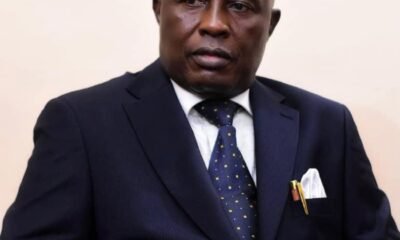
The Federal Commissioner of the Public Complaints Commission (PCC) in Benue State, James Oche, has called for wider adoption of Alternative Dispute Resolution (ADR) mechanisms to reduce prolonged litigation, ease the cost of seeking justice and provide Nigerians with faster and more accessible ways of resolving disputes.
Oche made the call at the 2026 Nigerian Ombudsman Annual Conference held in Abuja at the weekend, where he highlighted the importance of strengthening Ombudsman institutions in promoting peaceful coexistence, administrative accountability and access to justice.
The former Chairman of Ado Local Government Council said ADR offered a viable alternative to conventional litigation, which often involves considerable financial costs and lengthy court proceedings.
According to him, the Ombudsman institution provides an accessible platform through which aggrieved citizens can seek redress without necessarily engaging in expensive and protracted legal battles.
He noted that many Nigerians lacked the financial resources to pursue cases through the courts for extended periods, stressing that effective alternative dispute resolution mechanisms could help ease this burden and improve access to justice.
Oche observed that Nigeria’s ethnic, cultural, religious and political diversity made it imperative to strengthen sustainable mechanisms for managing disagreements and preventing disputes from escalating into crises.
He said the increased use of ADR through the Ombudsman would encourage dialogue, promote mutual understanding and reduce unnecessary litigation, while strengthening public confidence in government institutions.
The Benue PCC commissioner explained that the Commission played an important role in addressing administrative injustice, abuse of authority, maladministration and grievances arising between citizens and public institutions.

He maintained that strengthening the institution would enable more Nigerians to seek redress over perceived administrative failures and other complaints without resorting immediately to conventional court proceedings.
Oche therefore urged stakeholders in the public and private sectors, community leaders and citizens to embrace the Ombudsman as a credible platform for resolving grievances peacefully, fairly and efficiently.
He emphasized the need for collective commitment to dispute resolution mechanisms that prioritize dialogue, fairness and mutual understanding, noting that peaceful settlement of disagreements remained essential to national development and social stability.
The commissioner also commended the Chief Commissioner of the Public Complaints Commission, Bashir Abubakar, for sustaining the annual conference and improving its quality and relevance over the years.
He praised Abubakar’s commitment to strengthening the Commission’s capacity to protect citizens against administrative injustice and promote fairness in public service delivery.
The 2026 Nigerian Ombudsman Annual Conference attracted prominent personalities and stakeholders from Nigeria and the international community, including representatives of foreign missions, heads of government agencies, academics and traditional rulers.
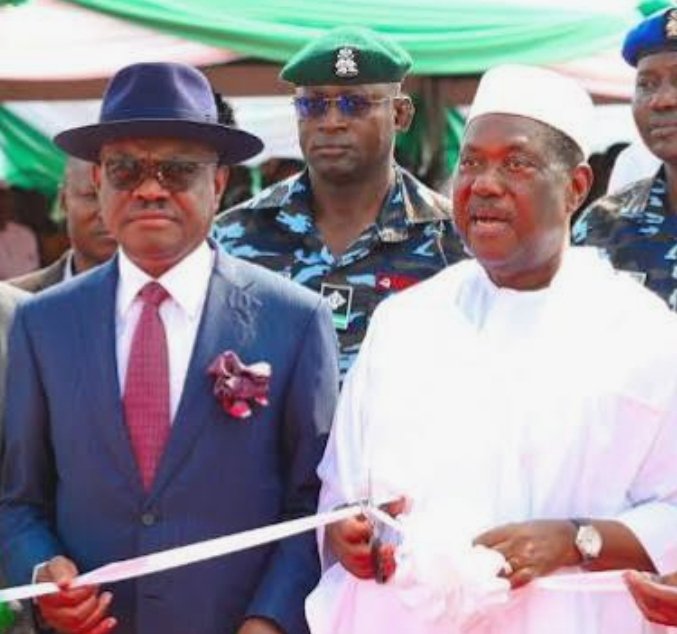
The conference provided a platform for discussions on the role of Ombudsman institutions in strengthening accountability, protecting citizens’ rights and improving the mechanisms through which grievances are addressed in Nigeria.