
News
AI to the Rescue: Engineers Target Nigeria’s 200,000km Road Network

By Agbo Fidelis
Nigeria’s 200,000-kilometre road network may be heading for a technological overhaul as engineers and other stakeholders push for the accelerated deployment of Artificial Intelligence (AI) to tackle persistent challenges of road maintenance, congestion, flooding, erosion and safety.
The call was made on Monday in Abuja at an international training on AI Applications for Road Management, organized by the Nigerian Institution of Highway and Transportation Engineers (NIHTE) in partnership with the International Road Federation (IRF).
The program attracted engineers, government officials, regulators, development agencies and industry experts seeking technology-driven solutions for safer, smarter and more climate-resilient roads.
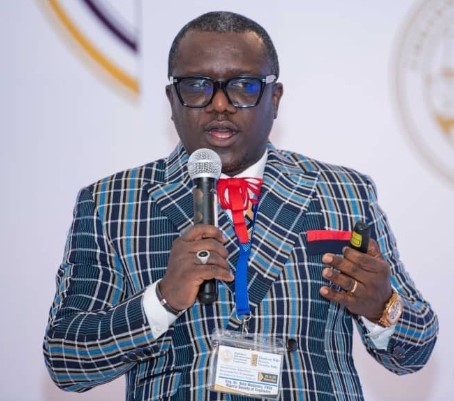
Acting National Chairman of NIHTE, Bola Mudasiru, said the scale and complexity of Nigeria’s road infrastructure had made conventional approaches to road management increasingly inadequate.
He said AI could transform the entire life cycle of road infrastructure through predictive maintenance, traffic optimization, asset management, improved safety and climate resilience.
Mudasiru said AI-powered systems could enable engineers to anticipate road deterioration and predict flooding and erosion patterns before they become major threats.
Such technologies, he explained, would allow authorities to move from reacting to road failures to preventing them and designing infrastructure better suited to the realities of climate change.
He, however, stressed that transparency, ethics, data privacy and sustainability must guide AI adoption.
Martins Van gills of the IRF said the organization, which brings together experts from academia, government and the private sector in more than 130 countries, was committed to sharing innovations and practical case studies.
He acknowledged AI’s growing role in infrastructure but stressed that “human intelligence will remain indispensable in engineering,” insisting that technology should support rather than replace professional expertise.
Immediate Past NIHTE Chairman, Hassan Saidu, said the institution’s partnership with IRF, which began about 10 years ago, had enabled Nigerian professionals to access international training in areas such as road safety, asset management and performance-based contracts without the cost of travelling abroad.
President of the Nigerian Society of Engineers and Chairman of the occasion, Ali Alimasuya Rabiu, described AI as a force already reshaping infrastructure planning worldwide.
He said the technology was revolutionising predictive maintenance, traffic management, pavement monitoring and transport safety, while urging government to give indigenous engineering firms greater opportunities to execute major projects, create jobs and promote technology transfer.
Rabiu also commended the Minister of State for Works for sponsoring 25 ministry officials to attend an engineering conference in Glasgow, United Kingdom, saying continued exposure to international best practices would strengthen the capacity of Nigerian professionals.
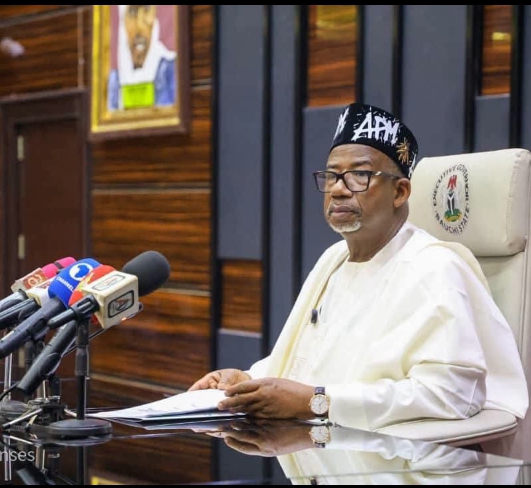
Minister of Regional Development, Abubakar Momoh, said roads remain vital to connecting communities with markets, schools, healthcare facilities and farms, as well as driving investment and national integration.
He said government was investing in roads and bridges but must ensure that existing assets were properly monitored and maintained, adding that AI could help detect defects, predict deterioration and deploy scarce resources more efficiently.
Representing the Rural Access and Agricultural Marketing Project (RAAMP), Bukar Gana said the World Bank- and French Development Agency-supported project had digitised more than 100,000 kilometres of rural roads through the Nigeria Rural Infrastructure Management System.
He said the platform captures road conditions, pavement types, bridges and community data to guide maintenance priorities, adding that RAAMP was exploring how AI could further strengthen rural road planning.
President of the Council for the Regulation of Engineering in Nigeria (COREN), Sadiq Zubair Abubakar, urged Nigerian engineers to become AI-competent to remain relevant, saying the technology could shift the sector from costly reactive repairs to proactive and predictive maintenance.
He nevertheless cautioned against over-reliance on AI, stressing that ethics, accountability and cost-effectiveness must remain at the heart of engineering decisions and calling for more specialised training to bridge knowledge gaps.
In his vote of thanks, the Planning Committee Chairman, Isa Emoabino, said the workshop was designed to narrow knowledge gaps among practitioners and expose engineers to practical applications of AI.
He urged participants to engage actively with the trainers and translate the knowledge gained into practical solutions capable of delivering safer, smarter and more sustainable roads across Nigeria.