News
Ihuezeofia Leadership Crisis Deepens as Factions Trade Allegations Over PG Election

By Venica Uchechukwu, Enugu
The leadership crisis in Ihuezeofia Village, Enuogu Autonomous Community, Nkerefi, Nkanu East Local Government Area of Enugu State, has deepened as community leaders and supporters of Mr. Edeson Chukwudi traded allegations over the suspended election for the President-General of the Enuogu Town Union.
The dispute has also drawn in the Enugu State Commissioner for Chieftaincy and Town Union Matters, Dr. Charles Egumgbe, with the two sides offering conflicting accounts of the circumstances surrounding the government’s intervention in the community.
In a statement jointly signed by the Traditional Ruler of Enuogu Autonomous Community, Igwe Emmanuel Onukwube; Chairman of the Caretaker Committee, Mr. Isaac Ugbor; Secretary, Barr. Abel Ani; and other stakeholders.
The community leadership accused some individuals of engaging in what it described as blackmail, misinformation, intimidation and attempts to undermine constituted authority.
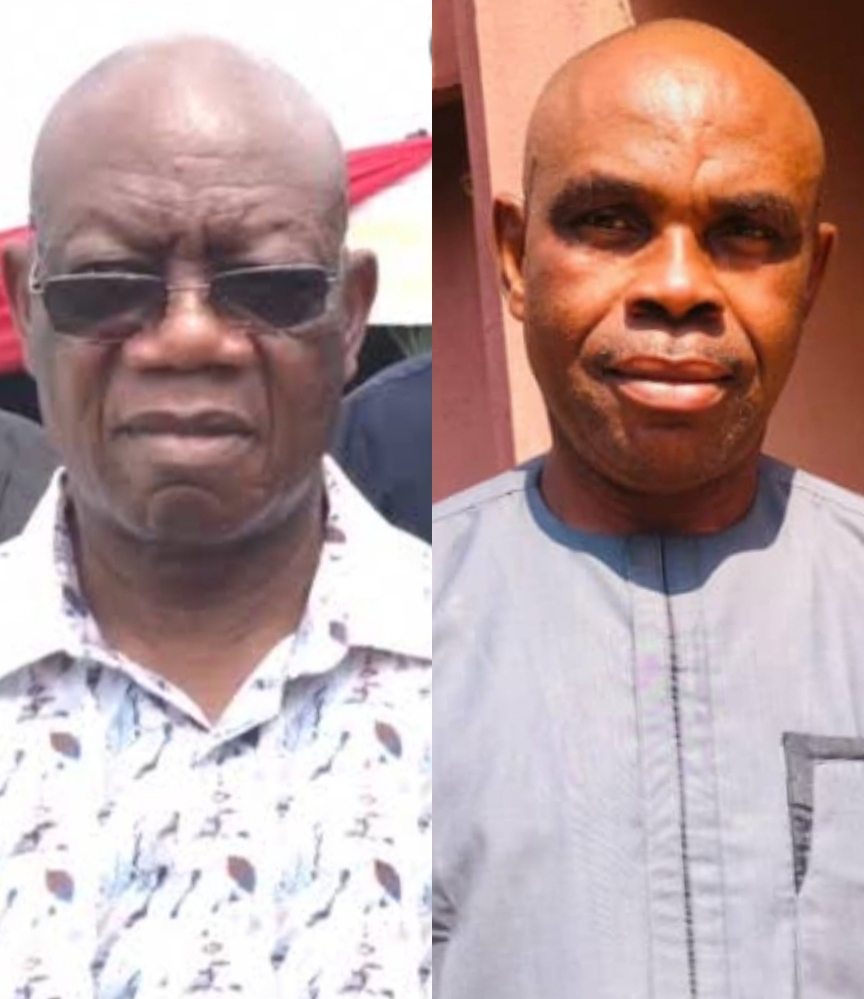
The leaders alleged that the individuals behind recent petitions against the Commissioner and the community leadership did not have the mandate to speak on behalf of Ihuezeofia Village or Enuogu Autonomous Community.
They also dismissed allegations that Ihuezeofia had been marginalised, pointing to previous political and administrative positions held by indigenes of the village, including a councillor, Financial Secretary of the Town Union and Deputy President-General.
The stakeholders further cited government interventions in the community, including electricity infrastructure, road improvements, healthcare initiatives and employment opportunities, as evidence that Ihuezeofia had benefited from public development programmes.
They accused their opponents of deliberately distorting the history of the community and creating crises whenever government or other development interventions were attracted to Enuogu.
The community leaders also alleged that some petitioners used academic and political titles they were not entitled to, describing the alleged conduct as capable of misleading government officials and members of the public.
On the controversial caretaker committee, the stakeholders said it was lawfully constituted by the state government in March 2026 as a temporary peace-building mechanism following intelligence reports of a possible breakdown of law and order.
They alleged that Chukwudi had recruited armed youths and mobilised thugs, allegedly threatening violence if the suspended election did not produce him as President-General.
According to the leaders, the alleged threats and mobilisation created tension in the community and prompted elders and stakeholders to seek government intervention.
They said the intervention prevented a situation that could have resulted in bloodshed, insisting that the caretaker committee was established to restore peace and create conditions for a free and fair election.
The stakeholders also raised fresh security concerns, alleging that Chukwudi and members of his group had compiled the names of some community leaders and prominent individuals whom they allegedly threatened to “deal with.”
They subsequently called on security agencies, including the police and the Department of State Services, to investigate the allegations, protect vulnerable community leaders and take appropriate action where necessary.
However, Chukwudi, in a swift reaction, rejected the allegations, accusing the community leadership of attempting to frame him and secure his arrest.
He said he was the Chairman of Ihuezeofia Village and, by virtue of that position, a member of the Enuogu Community ruling council, describing claims that he did not represent his village as “laughable.”
Chukwudi also challenged the community leaders to provide evidence of the alleged recruitment of armed youths and display of weapons, describing the allegations as fabricated.
He instead accused his opponents of using a serving police officer, Inspector Isaac Ugbor, whom he alleged had previously served at the Area Command, to intimidate him and his supporters.
On the allegation that he had compiled the names of community leaders for possible attacks, Chukwudi said he had never contemplated such an act and could not plan violence against anyone, including his enemies.
He further alleged that his opponents were afraid of a free, fair and credible election because they believed they would lose.
Chukwudi also questioned the constitution of the caretaker committee, alleging that the Commissioner acted on a list of names supplied by one faction without adequately consulting other stakeholders.
He accused the community leadership of attempting to use its alleged links with the state government to turn the authorities against him, but expressed confidence that Governor Peter Mbah would not support such a move.
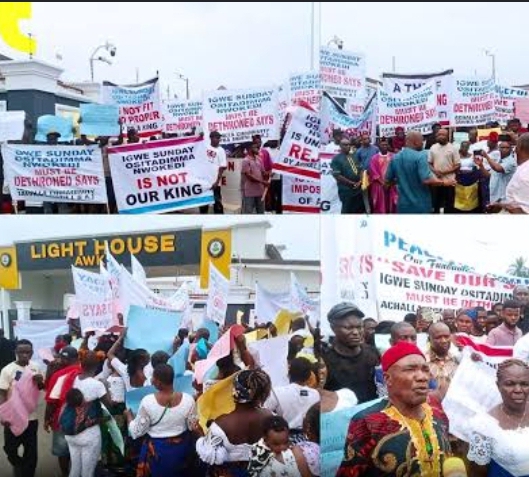
The competing allegations have raised concerns over the possibility of further escalation if the leadership dispute is not resolved through dialogue and a transparent electoral process.
While the community leadership has maintained its confidence in Commissioner Egumgbe and commended Governor Mbah’s administration for its intervention, Chukwudi has continued to demand what he described as a free, fair and credible election.
The dispute now places significant responsibility on the state government and security agencies to establish the facts surrounding the allegations while ensuring that any eventual leadership election is conducted in a manner capable of securing the confidence of all sides.
For now, the future of the Enuogu Town Union leadership remains uncertain as the rival camps continue to contest not only the President-General’s position but also the legitimacy of the processes through which the next leadership of the community will emerge.