News
Gov Bago decries acute water shortages in Minna


.,…Urges Payment of Power Bills.
By Daniel Ebi, Minna.
Governor Mohammed Umar Bago of Niger State has attributed the severe water shortages in Minna metropolis to over a decade of neglect by previous administrations, describing the state’s water infrastructure as obsolete and largely dysfunctional.
Speaking at a press conference at the Niger State Government House on Saturday, the governor said the pipelines supplying water to the state capital are between 30 and 40 years old, with many of them “shattered and useless.”
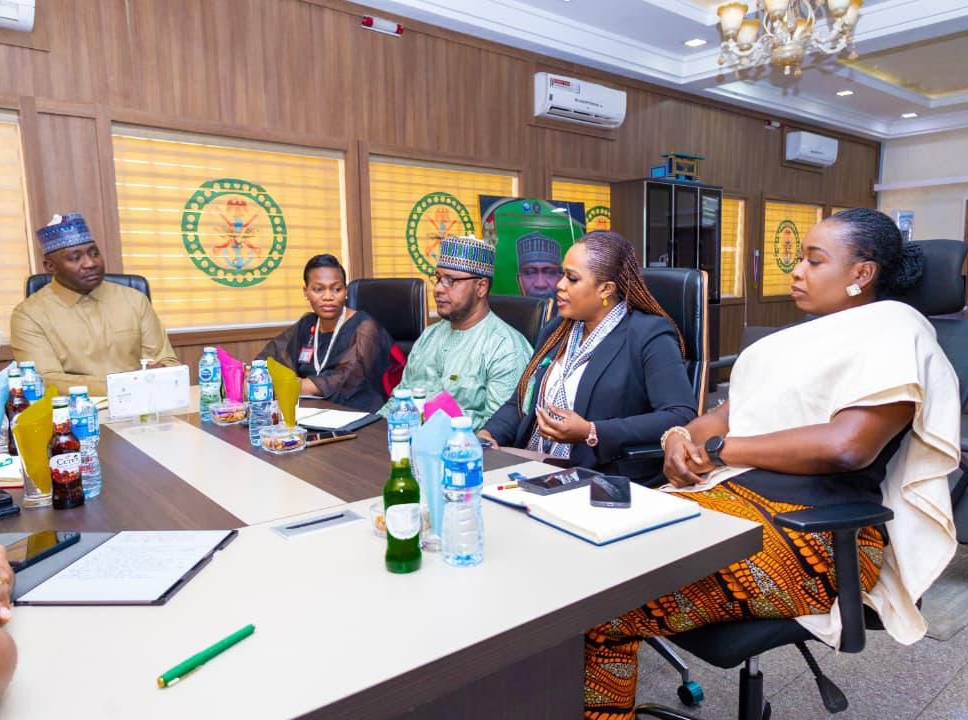
According to him, Minna was originally designed to supply water to about 150,000 residents but is now struggling to serve a population approaching one million.
Bago identified key reservoirs located at the Police Secondary School, Bosso Secondary School, Paida, and Shiroro Hotel, revealing that they have not received water in the last 12 years.
He said the prolonged abandonment has led to widespread decay, leaving many communities without access to potable water.
To address the crisis, the governor pledged a comprehensive overhaul of the water sector, including desilting the Tagwai Dam, replacing aged pipelines, and expanding recirculation systems and reservoirs.
On electricity supply, Bago stressed that power distribution is managed by the Abuja Electricity Distribution Company (AEDC), a privatized company operating independently of state and federal governments.
He explained that the tiered tariff structure places Band A customers at a higher rate, paying up to four times more than other bands in exchange for improved service.
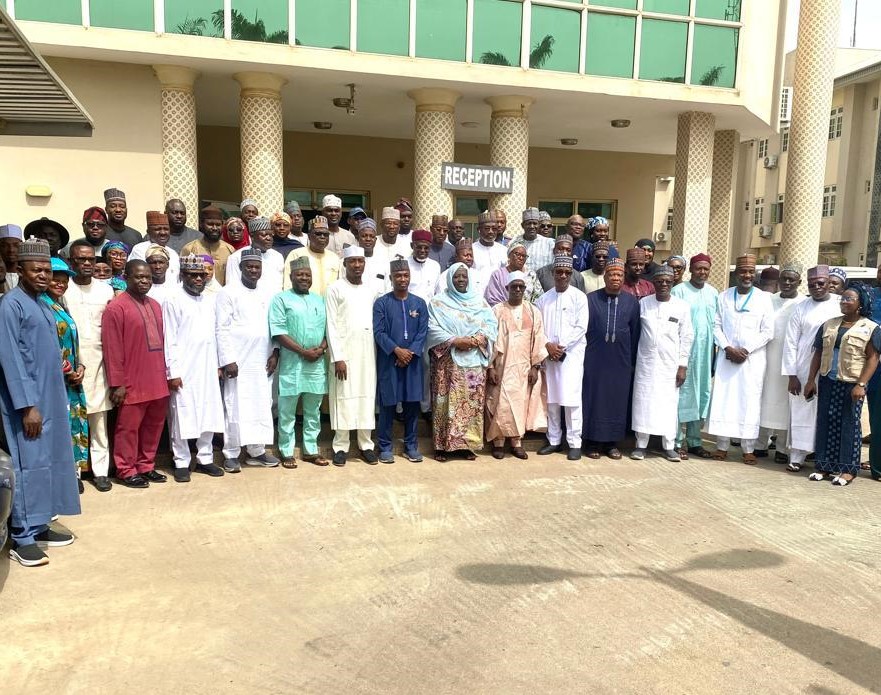
The governor attributed persistent power shortages to low dam levels caused by reduced rainfall, limited megawatt allocation, unpaid electricity bills, and widespread meter bypassing.
“AEDC is a business. They give you service; you do not pay. If you are not paying for service, you do not have the right to talk,” he said, urging residents to settle their electricity bills to encourage improved supply.
Bago added that if residents choose to protest against poor electricity supply, he would join them, but emphasized that consumers must fulfill their financial obligations.
As part of long-term solutions, the governor outlined plans to move public hospitals, primary health centres, schools, and other institutions off the national grid through partnerships with ECOWAS and the International Atomic Energy Agency (IAEA).
He disclosed plans to deploy 150,000 solar home systems, establish mini-grids, and introduce solar-powered tricycles aimed at reducing transportation costs by more than 50 percent.
Bago encouraged residents to adopt home solar systems, which he said could cost less than 30 percent of current AEDC bills, especially as population growth continues to strain existing infrastructure.
Describing his administration’s efforts as transformational, the governor appealed for patience from residents.
“In the last three decades, we have not seen anything like what we are doing. Be patient with us,” he said.