Politics
2027: Nobody Should Divide South-East, Obi Tells Political Opponents

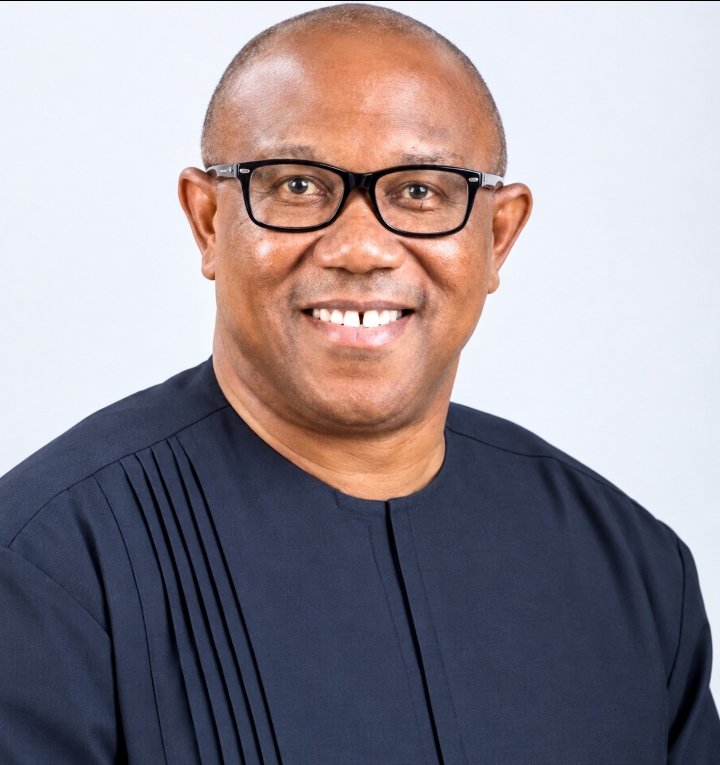
……Ex-Anambra governor outlines emergency plans for security, education, healthcare, agriculture
By David Usman
ABAKALIKI — The presidential candidate of the Nigeria Democratic Congress (NDC), Peter Obi, has urged political parties and stakeholders to refrain from actions capable of dividing the South-East, insisting that national unity and issue-based politics should take precedence over ethnic and regional considerations ahead of the 2027 general elections.
Obi made the call during a town hall meeting with stakeholders in Abakaliki, the Ebonyi State capital, where he urged voters to assess presidential candidates based on their qualifications, leadership capacity and policy proposals rather than their ethnic or regional backgrounds.
Addressing the gathering, the former Anambra State governor said the people of Ebonyi should support his presidential ambition because of what he described as his qualifications for the office, not because he is from the South-East or belongs to the Igbo ethnic group.
“I don’t want the people of Ebonyi to vote for me because I am from the South-East. I don’t want you to vote for me because I am an Igbo person. I want you to vote for me because I am qualified to be the President of this country,” he said.
Obi also challenged President Bola Tinubu to visit Abakaliki and explain to Nigerians what his administration had achieved since assuming office, particularly in relation to public expenditure and the loans obtained by the Federal Government.
He questioned the President’s reported absence from the country on several occasions, arguing that Nigerians deserved greater engagement with their leaders and a comprehensive account of government activities over the past three years.
“President Tinubu has stayed over 260 days out of Nigeria, yet he cannot spend up to 36 days to go round Nigeria to tell the people what he has been doing for the past three years. We will not do that,” Obi said.
The NDC candidate also criticized Tinubu’s leadership, alleging that the President lacked the capacity to effectively manage the country’s affairs. He called on him to leave office, a position that underscores the sharp political contest expected ahead of the 2027 elections.
Outlining his proposed priorities if elected president, Obi said his administration would declare emergencies in key sectors, beginning with national unity, security, anti-corruption, education, agriculture, hunger and healthcare.
On national unity, he said his government would work to reduce ethnic divisions and ensure that Nigerians were treated fairly regardless of their backgrounds.
“We must unite this country. We don’t want people to be around Nigeria saying, ‘I am Igbo, I am Yoruba, I am Hausa, I am this, I am that,’” he said.
He added that his administration would uphold the federal character principle in public employment to promote fairness and broaden opportunities for citizens across the country.
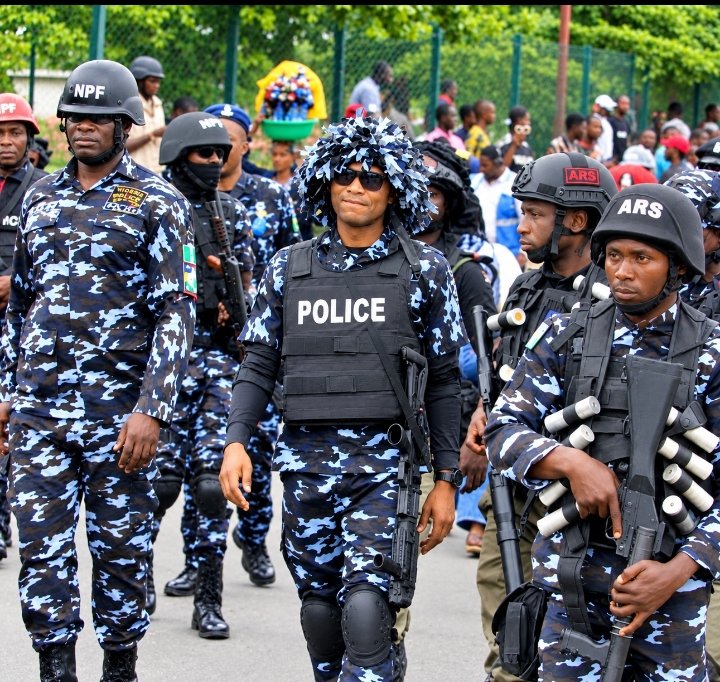
On security, Obi pledged to make the protection of lives and property a priority, promising decisive action against kidnappers, bandits and other criminal groups threatening communities.
He said his government would equip security agencies to respond effectively to security threats, particularly attacks on schools and the abduction of pupils.
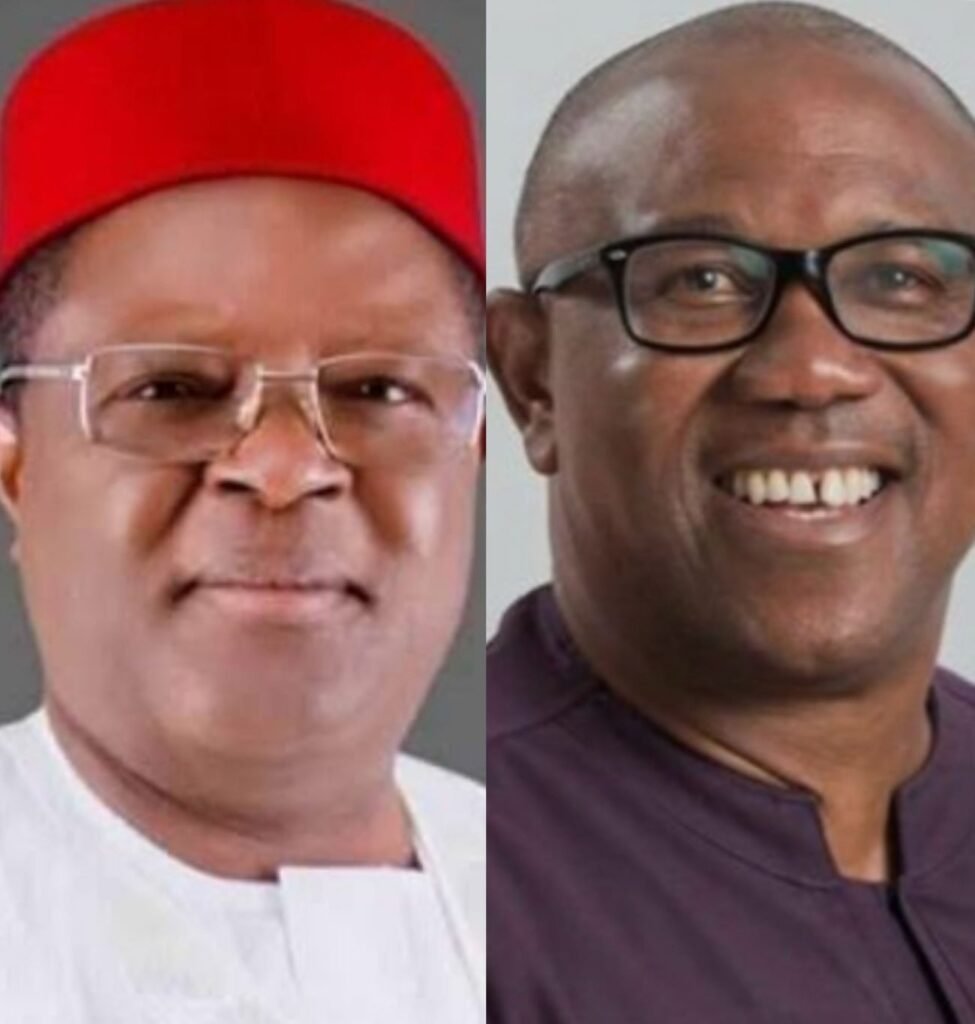
“If kids come to school and somebody takes them into the bush, we will be in the bush with such a person. They will not be there alone; we will be there with those kids,” he said.
The presidential hopeful also promised to intensify the fight against corruption, declaring that public funds must be deployed for the benefit of Nigerians and that anyone found guilty of stealing public money would face the law, regardless of position.
“I will fight corruption like nobody has fought it before. Public money must be used for public good. Nobody will steal our money again. If you do it, you will go to jail, starting from the President,” Obi declared.
On education, he expressed concern over the number of children reportedly out of school in Nigeria, citing an estimated 18 million children and pledging to reduce the figure through emergency interventions in the sector.
He said improving access to education would be a priority, stressing the need to ensure that more Nigerian children could attend school and acquire the knowledge and skills required for their future.
Obi also identified hunger and food insecurity as major challenges requiring urgent government attention. He said Nigeria’s vast agricultural potential remained underutilized and pledged to support farmers to return to their farms, increase food production and expand agricultural exports.
According to him, creating an enabling environment for farmers to cultivate their land and produce food would help address hunger while strengthening the economy.
In the health sector, Obi promised to establish functional healthcare facilities in every political ward across the country, arguing that Nigeria possessed the resources required to improve access to basic medical services.
“Every ward must have it; we have the resources to do it,” he said, referring to his proposed ward-level healthcare initiative.
He maintained that addressing insecurity, corruption, hunger, educational challenges and inadequate healthcare would require focused leadership, effective public spending and a commitment to national development.
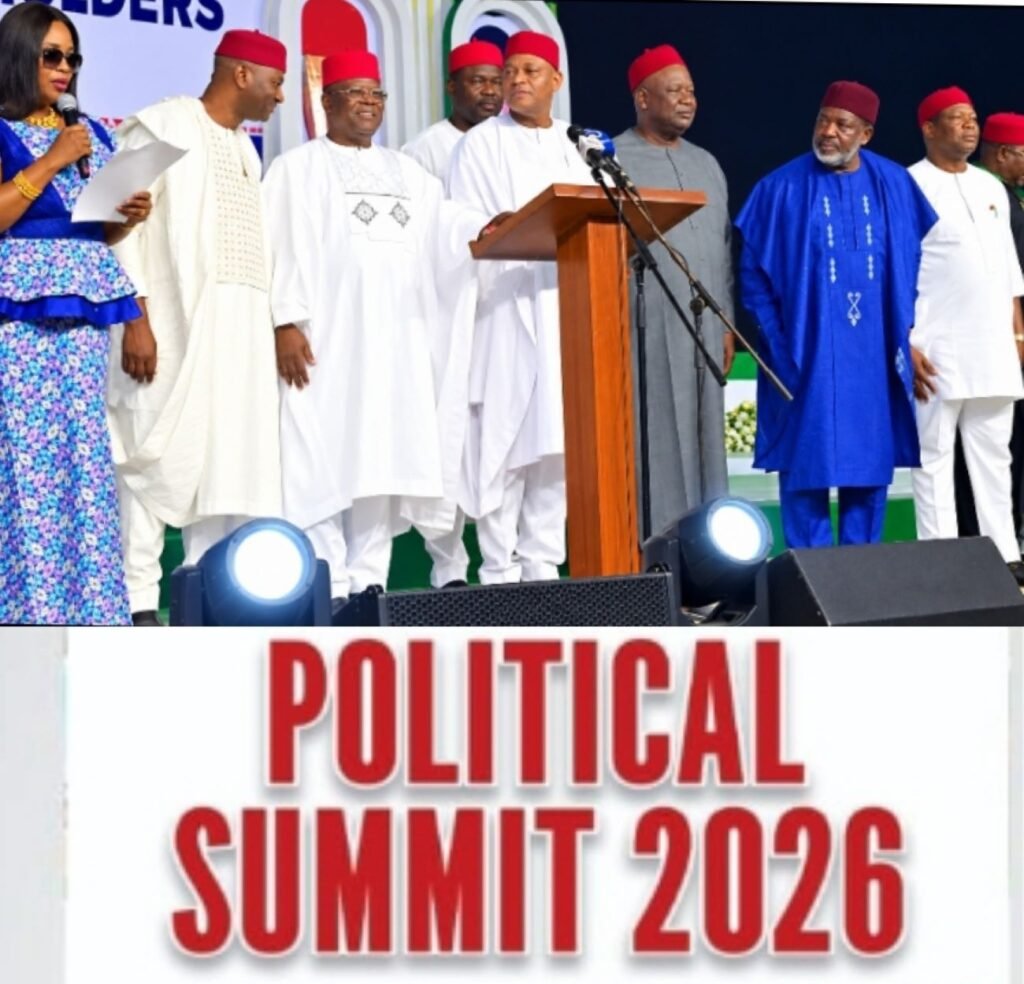
The Abakaliki town hall meeting provided Obi an opportunity to present his policy priorities to stakeholders in Ebonyi State as political activities gather momentum ahead of the 2027 general elections.