
Feature
2027: How Ebonyi Stakeholders’ Summit will boost Justice, Equity, Peace, Unity – Aliuna

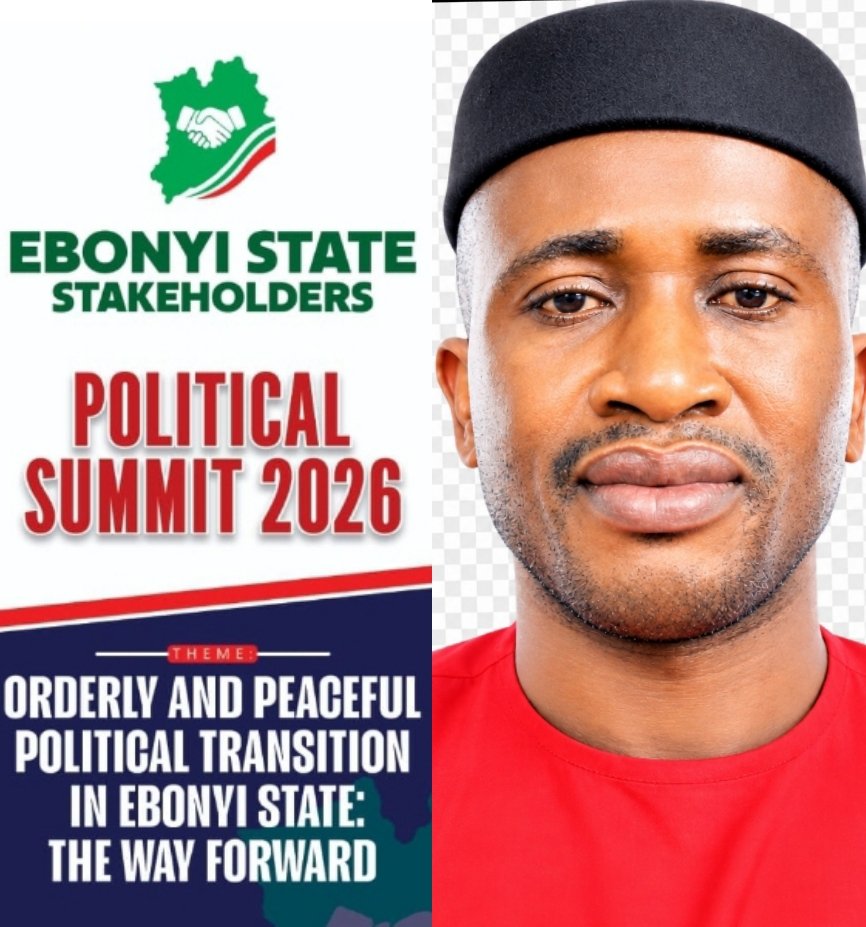
…..Seeks dialogue, respect for rule of law; says summit must move beyond rhetoric to action
By Uchenna Okeh, Abakaliki
As Ebonyi State inches towards the 2027 general elections, a proposed political stakeholders’ summit is emerging as an important opportunity to confront the enduring questions of justice, equity, fairness and inclusion that shape political relationships and the struggle for power in the state.
For Aliuna Godwin, a former House of Representatives candidate for Ebonyi/Ohaukwu Federal Constituency on the platform of the Democratic Leadership Alliance (DLA), the proposed gathering must be more than another meeting of political leaders.
It should provide a credible platform for rebuilding trust, resolving grievances and reaffirming the founding principles upon which Ebonyi State was established.
His position comes at a time when political calculations ahead of the next electoral cycle are expected to intensify conversations around representation, leadership succession, power-sharing and the future direction of the state.
How these issues are managed could have significant implications for political stability, peaceful coexistence and public confidence in the democratic process.
At the centre of Aliuna’s argument is the need to translate Ebonyi’s identity as the Salt of the Nation from a popular slogan into a practical commitment to justice, equity, fairness, peace and unity.
The description, he believes, should find expression in the conduct of political actors, the treatment of citizens and the decisions that determine access to political leadership and opportunities for development.
Indeed, the strength of a political community is not measured solely by the frequency of its leaders’ appeals for unity but by the willingness of its institutions and stakeholders to accommodate differences, address legitimate grievances and ensure that no group feels permanently excluded from the affairs of the state.
This is where the proposed summit assumes particular significance. Beyond the gathering of influential individuals, it presents an opportunity to examine whether the principles associated with Ebonyi’s creation can provide a common framework for managing contemporary political disagreements.
Beyond Political Calculations
Political transitions often generate competing interests, especially where questions of representation, zoning, succession and the distribution of public opportunities arise. When such disagreements are not properly managed, they can weaken relationships among political leaders, deepen divisions within communities and create uncertainty about the future.
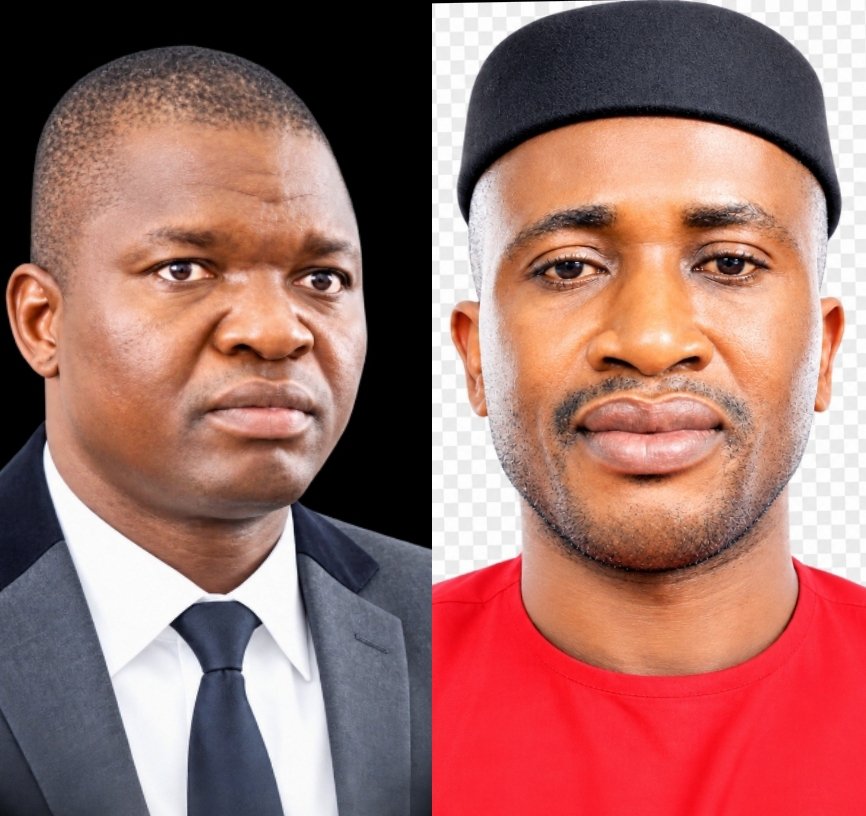
Ebonyi is not immune to these challenges. As political actors position themselves ahead of 2027, the need for a transparent and inclusive process of engagement becomes increasingly important.
For Aliuna, the proposed summit should bring together political leaders across party lines, traditional rulers, elders, community representatives, women, youths and other relevant stakeholders to discuss issues affecting the state without allowing partisan loyalties to overshadow the collective interest.
Such an approach would recognise that although political actors may disagree over candidates, parties and the distribution of power, they share a responsibility to protect the peace and stability of the state.
The summit could also provide an opportunity to revisit the historical circumstances surrounding Ebonyi’s creation and the principles of justice, fairness and inclusion that its founding generation sought to promote.
However, historical appeals alone may not be sufficient to resolve contemporary disagreements. The real test will be whether stakeholders can translate those principles into clear understandings and fair processes that command broad acceptance.
Justice and Equity as Foundations of Unity
Justice and equity remain central to the debate about political representation in a diverse society. While justice requires adherence to established laws and fair procedures, equity recognises the importance of addressing legitimate concerns about inclusion and access to opportunities.
In practical terms, both principles demand that political negotiations should not be driven exclusively by the interests of powerful individuals or groups. They require stakeholders to consider the broader implications of their decisions for communities, local government areas and the population at large.
For Ebonyi, the summit could help create a shared understanding of how these principles should guide political engagement before, during and after the 2027 elections.
Such an understanding would not necessarily eliminate disagreements. Rather, it could establish a framework for managing them without allowing political competition to undermine mutual respect or public peace.
Unity, in this context, should not be confused with the absence of opposing views. A politically united state is one in which differences can be expressed openly, grievances can be considered fairly and competing interests can be negotiated without intimidation or exclusion.
This distinction is important because genuine unity cannot be sustained by appeals for consensus alone. It requires confidence that political processes are sufficiently fair to accommodate different interests and that stakeholders have legitimate avenues for seeking redress.
Dialogue as an Alternative to Political Confrontation
One of the strongest arguments for the proposed summit is its potential to establish dialogue as the preferred means of resolving political disagreements.

In a competitive political environment, unresolved grievances can quickly become sources of suspicion and confrontation. Early engagement, however, can help stakeholders identify areas of disagreement, clarify competing positions and explore mutually acceptable solutions before tensions escalate.
Aliuna’s position places particular emphasis on the responsibility of political leaders to engage one another in good faith and to avoid statements or actions capable of inflaming divisions.
The summit could therefore serve as a preventive mechanism, allowing stakeholders to discuss sensitive political questions before they become more difficult to manage.
For this to happen, the organisers would need to ensure that the process is sufficiently inclusive, transparent and credible to encourage participation by individuals and groups with differing political interests.
A gathering perceived as favouring one political camp over others could struggle to command the confidence required to produce lasting agreements. Conversely, a process that allows competing viewpoints to be heard could strengthen the legitimacy of its eventual resolutions.
The objective should not be to suppress political competition but to establish acceptable boundaries within which that competition can take place.
The Rule of Law and Democratic Responsibility
Another critical issue is respect for the rule of law. As the state approaches another electoral cycle, political disagreements over representation, party processes, candidacies and other matters must be addressed through lawful and constitutionally recognised procedures.
The summit could reinforce the understanding that political influence does not place any individual or group above the law.
At the same time, respect for constituted authority must go hand in hand with accountability, transparency and the protection of citizens’ rights. Public institutions derive their credibility not merely from their formal powers but also from their ability to discharge their responsibilities fairly and in accordance with the law.
For political stakeholders, this means resisting the temptation to resolve disagreements through coercion, threats or actions that weaken democratic institutions.
It also means recognising that individuals and groups who hold opposing political views retain their rights to participate in public affairs, express their opinions and pursue lawful remedies when they believe their interests have been compromised.
If these principles are reflected in the summit’s deliberations, the gathering could contribute to a political environment in which disagreements are settled through established procedures rather than personal confrontation.
Honesty, Tolerance and Human Dignity
The values highlighted by Aliuna extend beyond negotiations over political offices. They also touch on the quality of public discourse and the manner in which political actors treat one another.
Honesty is particularly important in an environment where competing interests can produce conflicting accounts of political arrangements and public affairs. Transparent communication and responsible public statements can help reduce suspicion and create a more reliable basis for engagement.
Tolerance is equally necessary. Political differences should not become grounds for personal attacks, intimidation or the denial of the dignity of individuals and groups.
A democratic society must provide room for disagreement without turning every opposing opinion into an enemy of the collective interest.
For Ebonyi, the summit could encourage political leaders to demonstrate that loyalty to the state can coexist with differences in party affiliation, ideology and political ambition.
Such an approach would help broaden the meaning of citizenship and reinforce the principle that the state belongs to all its people, irrespective of their political preferences.
Leadership as Service, Not Personal Entitlement
The proposed summit also presents an opportunity to examine the purpose of political leadership and the responsibilities attached to public office.
Aliuna’s emphasis on service, selflessness and patriotism raises a fundamental question: to what extent do political decisions reflect the welfare of ordinary citizens rather than the ambitions of individuals and political groups?
The answer should be reflected in policies and decisions that promote equitable development, improve access to opportunities and strengthen public confidence in governance.
Political negotiations cannot be considered successful simply because influential stakeholders reach an agreement. Their broader value must also be assessed against the interests of citizens whose lives are affected by decisions concerning leadership, public resources and development priorities.
This is particularly important in a state where communities may have different expectations about representation and the distribution of development projects.
A summit that places public welfare at the centre of its discussions could help redirect political competition towards issues that matter to residents, including infrastructure, education, healthcare, employment and economic opportunities.
Ultimately, leadership should be understood as a responsibility to serve the public, not an entitlement to exercise power without accountability.
A Charter of Peace That Must Work
One proposed outcome of the gathering is a resolution that would serve as a Charter of Peace, providing political stakeholders with a common set of principles for engagement.
Such a document could become an important instrument for promoting peaceful political competition, provided it goes beyond broad declarations of goodwill.
For the charter to make a practical difference, it should contain clearly defined commitments on non-violence, respect for opposing views, lawful dispute resolution and responsible political communication.
It should also establish procedures for addressing breaches of agreed principles and provide a transparent means of assessing whether participating stakeholders are honouring their commitments.
Without such mechanisms, even the most inspiring resolutions risk becoming symbolic statements with little influence on political conduct.
A credible charter would therefore require the willingness of political leaders to accept shared responsibilities and demonstrate consistency between their public declarations and their actions.
The process of developing the document should also allow meaningful input from different political groups and community representatives to strengthen its legitimacy.
Institutionalising Dialogue Beyond 2027
Perhaps one of the most enduring contributions the summit could make would be the establishment of a standing stakeholders’ forum to sustain dialogue beyond the 2027 elections.
Political tensions do not always emerge during election campaigns, nor do they necessarily disappear after voting concludes. Disagreements over representation, development priorities and public policy can arise at any time.
A permanent forum could provide an organised platform for discussing such matters before they develop into major disputes.
It could also support periodic consultations among political leaders, community representatives and other stakeholders on issues affecting peaceful coexistence and the long-term development of the state.
To remain effective, however, the forum would need clear terms of reference, a credible leadership structure and procedures that prevent it from becoming an instrument of partisan control.
Its membership and operations should encourage continuity, inclusiveness and accountability while respecting the responsibilities of elected institutions and established constitutional bodies.
By institutionalising dialogue, Ebonyi could move from relying on occasional interventions during periods of political tension towards a more consistent culture of consultation and conflict prevention.
The Real Test Begins After the Summit
Ultimately, the success of the proposed Ebonyi State Stakeholders Political Summit will not be determined by the number of prominent personalities who attend, the speeches delivered or the declarations issued at its conclusion.
Its significance will depend on whether the participants can reach credible agreements, demonstrate a willingness to accommodate legitimate concerns and sustain their commitments when political interests come under pressure.
For Aliuna, the challenge is to ensure that justice, equity, fairness, honesty, tolerance, peace and respect for human dignity become practical standards for political conduct rather than expressions invoked only when stakeholders are negotiating.
That challenge will require political leaders to demonstrate restraint, institutions to operate within the law and all sides to recognise that peaceful coexistence is a shared responsibility.
As Ebonyi approaches the 2027 elections, the proposed summit offers an opportunity to reaffirm the values that should guide its political future. But an opportunity, however promising, is not itself a guarantee of progress.
The decisive question is whether the stakeholders can transform dialogue into action, consensus into credible commitments and resolutions into lasting practices.
If they succeed, the gathering could help strengthen political trust, improve the management of disagreements and establish a more durable framework for peaceful competition in the state.
For a state proud of its identity as the Salt of the Nation, the ultimate measure of that identity may lie not merely in what its leaders say about justice and unity, but in how consistently they practise those values when the interests of power, representation and personal ambition are at stake.