
News
Water, Electricity Shortages Cripple Social, Commercial Activities in Niger


By Daniel Ebi , Minna.
Social and economic activities in several parts of Niger State have been severely disrupted for more than two weeks following acute shortages of potable water and persistent power outages.
The crisis is attributed to the inability of the Niger State Water and Sanitation Board to supply treated water, compounded by poor electricity supply from the Abuja Electricity Distribution Company (AEDC), the licensed power distributor in the state. Both agencies have remained silent on the situation.
Investigations revealed that water production has been hampered by the Water Board’s alleged lack of essential treatment chemicals, a situation worsened by inadequate electricity supply to major waterworks across the state.
Sources disclosed that the state government has reportedly not released funds required for the purchase of water treatment chemicals since the beginning of the financial year, after existing stock was exhausted in 2025.
Initially, the Water Board operated on skeletal services, reportedly spending about ₦6 million every other day on electricity tokens to keep its plants running.
However, the arrangement became unsustainable, especially after AEDC reduced power supply to most parts of the state.
Consequently, the Board shut down operations and placed workers on forced leave, forcing residents to seek alternative sources of water for domestic and commercial use.
The development has imposed severe hardship on residents, particularly women and children, who now roam in search of water from any available source.
Owners of private boreholes who rely on generators to pump water now sell to water vendors at exorbitant rates.
Water vendors, popularly known as Mairuwa, now sell a truckload of ten-litre jerrycans for between ₦2,500 and ₦3,000, depending on the location.
Meanwhile, AEDC has intensified electricity rationing across the state over the past three weeks without offering any explanation.
Many residents reportedly go without electricity for two to three days, while areas connected to 33kVA lines receive power for only two to three hours daily.
Last Friday, some youths after the Juma’at prayers drew the attention of Governor Mohammed Umaru Bago to the situation.
The governor reportedly assured them that the matter was being addressed.
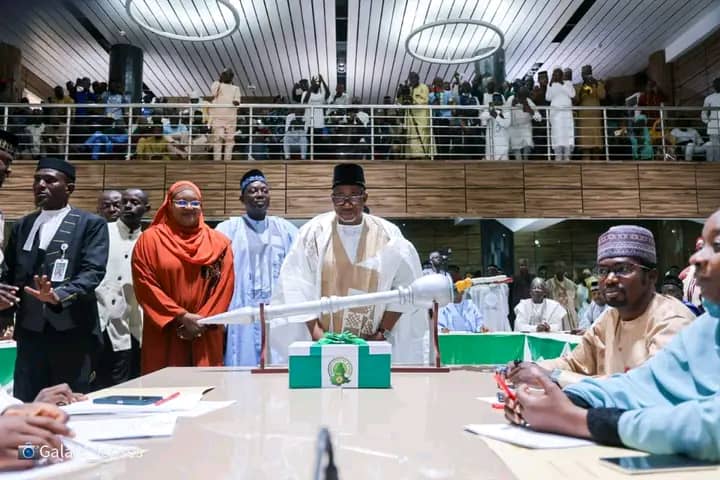
However, the Niger State House of Assembly on Tuesday declined to intervene immediately, stepping down a motion of urgent public importance raised by the member representing Suleja Constituency, Alhaji Adamu Murtala Badaru.

The motion highlighted the acute water shortage and epileptic power supply, which he said had crippled both government and commercial activities across the state.
The decision followed an in-house deliberation between the motion’s sponsor and key lawmakers.
Presiding over the sitting, Deputy Speaker Mrs Affiniki Dauda explained that the motion was stepped down in view of ongoing efforts by Governor Bago to resolve the crisis.
She acknowledged that the situation affects all residents, including lawmakers, but urged patience to allow the executive intensify efforts to alleviate the suffering of the people.