Politics
₦17.58bn Controversy: Why Nwifuru’s Critics Must Look Beyond Budget Figures

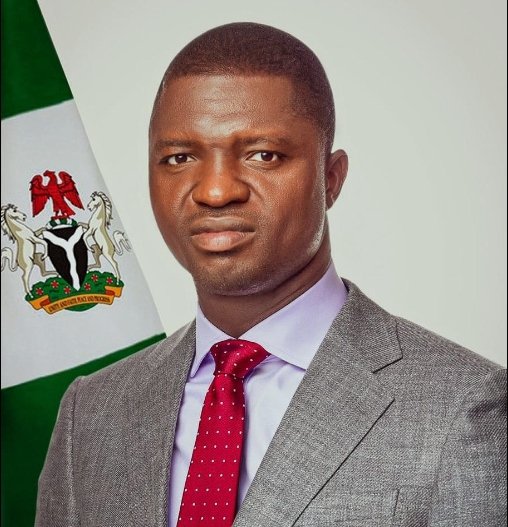
By Godwin Aliuna, Political Analyst
The controversy surrounding the reported ₦17.58 billion expenditure on donations to official state guests has generated fresh political debate in Ebonyi State, following an open letter by the Ebonyi Democratic Movement (EDEM) questioning the expenditure under Governor Francis Ogbonna Nwifuru’s administration.
While scrutiny of public expenditure is a legitimate democratic responsibility, connecting the figure to political patronage, zoning arrangements and the governor’s 2027 re-election ambition requires verifiable evidence rather than speculation.
At the centre of the controversy is the Third Quarter 2026 Budget Implementation Report, which records cumulative expenditure of ₦17.58 billion under donations to official state guests between January and September.
Although the figure deserves clarification, its classification alone does not establish that public funds were used to purchase political loyalty or endorsements.
Interestingly, EDEM’s open letter acknowledges that it is demanding evidence rather than directly establishing that the expenditure was used for political patronage.
This distinction is important because allegations linking the funds to political consultations and endorsements remain unproven without supporting documents.
Nevertheless, the Nwifuru administration, according to investigation is providing a detailed breakdown of the expenditure, including its beneficiaries, purposes and relevant approvals.

This is because the Nwifuru’s administration knows that transparency would strengthen public confidence and demonstrate that accountability is not something government should fear.
However, assessing the governor’s performance through one controversial budgetary heading while overlooking the broader financial and developmental activities of his administration would amount to an incomplete evaluation of governance.
A closer examination of the same budget implementation report shows that Ebonyi State recorded approximately ₦158.23 billion in cumulative capital expenditure between January and September 2026, including about ₦95.62 billion in the third quarter alone.
These figures point to substantial capital investment beyond the expenditure currently dominating political discussions.
The sectoral distribution is equally significant. The economic sector accounted for approximately ₦91.42 billion in capital expenditure, while the social sector received about ₦57.34 billion. These investments cover critical areas that influence economic productivity, infrastructure, education, healthcare and citizens’ welfare.
In education, the administration’s investments in infrastructure, teaching facilities and learning equipment deserve attention. Strengthening educational institutions and improving access to quality learning remain essential to developing the next generation and building a sustainable economy.
Healthcare is another important area. The report records expenditure on health and medical equipment, alongside broader social-sector investments aimed at improving public services. Such interventions are necessary to strengthen healthcare facilities and improve service delivery across the state.
Beyond these sectors, capital investments in roads, public infrastructure, electricity and other economic facilities are essential to connecting communities, promoting commerce and creating opportunities for businesses. Ultimately, government performance should also be measured by projects delivered and their impact on ordinary citizens.
The controversy over borrowing also requires proper financial interpretation. EDEM cited approximately ₦28.39 billion in Capital Development Fund receipts as evidence of new loans. However, the classification alone does not establish that the entire amount represents fresh borrowing.
Similarly, the ₦22.60 billion recorded under public debt charges represents a separate expenditure category. These distinctions should be respected in public financial discussions.
The report further records total revenue, including opening balances, of approximately ₦307.55 billion and cumulative expenditure of about ₦256.71 billion during the first nine months of 2026.
These figures provide a broader picture of the state’s fiscal position and demonstrate why public assessment should consider the entire budget implementation framework.
On political zoning and endorsements ahead of 2027, stakeholder consultations and political support are not automatically evidence of financial inducement.
Political institutions and community leaders have the democratic freedom to express their preferences. Anyone alleging that such decisions were purchased with public funds must provide credible evidence linking specific payments to specific political activities.
Ultimately, Governor Nwifuru’s political future should be determined by his leadership record, development initiatives, infrastructure investments, empowerment programmes and the confidence of Ebonyi people.
Opposition figures should move beyond selective budget interpretations and engage the administration on project delivery, employment generation, service delivery and the sustainability of its development programmes.
As the 2027 elections approach, Ebonyi deserves constructive political engagement anchored on facts, accountability and development rather than unsubstantiated allegations.
The governor should be judged by verifiable achievements and areas requiring improvement, just as the opposition must demonstrate that its criticisms are supported by evidence. The overriding interest should be the progress and prosperity of Ebonyi State.