

By Godwin Aliuna – Political Analyst
The attempt to compare the four-year administration of former Governor of Old Anambra State, Chief Jim Nwobodo, with the ongoing administration of Ebonyi State Governor, Francis Nwifuru, raises questions about fairness, historical context and the proper assessment of leadership.
While Nwobodo deserves recognition for his contributions to institutional development, it is unfortunate to suggest that Nwifuru’s administration has achieved little beyond road construction, flyovers and political publicity.
Such an argument overlooks the realities of Ebonyi’s development challenges and the scale of infrastructure deficits inherited by successive administrations.
Governance should not be reduced to a contest over who established more institutions decades ago. Rather, it should be measured by the tangible impact of policies, projects and investments on the lives of citizens.
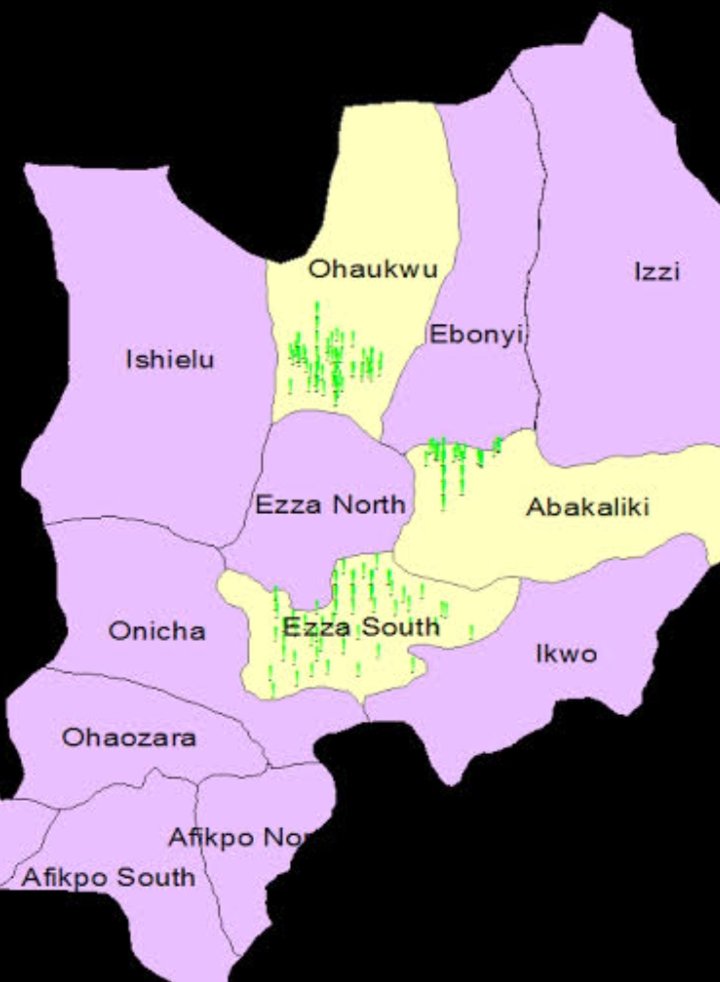
Nwobodo governed the former Anambra State, which comprised present-day Anambra, Enugu and Ebonyi. Nwifuru, on the other hand, governs Ebonyi, a state created in 1996 with unique economic, infrastructural and developmental challenges.
Comparing their achievements without considering these differences amounts to an incomplete assessment of their respective administrations.
Undoubtedly, Nwobodo’s establishment of the Anambra State University of Science and Technology in 1980 was a landmark achievement. Its Abakaliki campus contributed to the educational foundation upon which Ebonyi State University subsequently emerged under the administration of former Governor Sam Egwu in 1999.
This historical progression demonstrates that development is a continuous process built upon the contributions of successive governments.
However, recognising Nwobodo’s legacy should not become an excuse to undermine Nwifuru’s achievements. His administration’s infrastructure drive, including the reported construction of over 627 kilometres of roads, represents a significant intervention in a state where poor connectivity has historically constrained economic activities.
The figure, disclosed by the former Commissioner for Works, Stanley Mbam, deserves independent verification, but it equally warrants serious consideration.
The Vanco flyover and underground tunnel, Nwofe Agbaja flyover and other road projects demonstrate an administration seeking to modernise Ebonyi’s infrastructure and improve urban mobility.
Beyond their physical appearance, these projects have the potential to enhance transportation, facilitate commerce, attract investment and improve connectivity between communities.


It is therefore misleading to dismiss roads and flyovers as mere political publicity. Infrastructure is a fundamental driver of economic development. Farmers need accessible roads to transport agricultural produce, traders require efficient transportation networks, and investors need functional infrastructure before committing resources to new businesses.
Beyond infrastructure, Nwifuru’s administration has also highlighted initiatives in education, healthcare, industrial development and workers’ welfare.
Its proposed specialised educational institutions, model schools, healthcare interventions and efforts towards reviving industrial assets such as the Abakaliki Cement Company deserve assessment based on their implementation and measurable benefits.
Equally important are interventions in pension and gratuity payments, employment, scholarships and human capital development. These are important components of governance that directly affect families, workers, retirees and young people. A fair assessment must consider these social investments alongside physical infrastructure.
Nevertheless, the administration must not shy away from legitimate questions about budget performance and accountability. Ebonyi’s third-quarter 2026 Budget Implementation Report reportedly recorded capital expenditure of approximately ₦158.23 billion against an annual capital budget of about ₦719.55 billion, representing 22 per cent implementation between January and September.
This performance requires explanation, particularly regarding revenue availability, project execution timelines and outstanding commitments.
But budgetary concerns should not automatically translate into the dismissal of every achievement recorded by the administration. Rather, they should encourage greater transparency, independent project verification and stronger fiscal discipline. Citizens have every right to demand details of project costs, contractors, procurement processes and completion status.
More importantly, institutional development and physical infrastructure should never be presented as opposing priorities. Universities require accessible roads, electricity, water and functional healthcare facilities to operate effectively. Similarly, roads become more economically valuable when supported by productive industries, educational institutions and thriving businesses.
This is where Nwifuru’s development agenda should be judged: by its capacity to combine infrastructure expansion with institutional growth, economic opportunities and improved living standards. His administration’s People’s Charter of Needs provides a framework against which these commitments and their eventual outcomes should be measured.
The former governor’s legacy deserves respect, but history should not be used to create an unfair standard for judging a contemporary administration operating under different economic and developmental circumstances.
Nwobodo’s institutional contributions were important for his time, just as Nwifuru’s infrastructure and development interventions must be examined within the realities of present-day Ebonyi.
Ultimately, the question should not be whether Nwifuru has built more institutions than Nwobodo, but whether his administration is making measurable progress in addressing Ebonyi’s longstanding challenges.

The durability of projects, functionality of institutions, quality of public services and improvement in citizens’ welfare will determine the true value of his legacy.
For Ebonyi, development should not be a competition between yesterday’s achievements and today’s projects. It should be a continuous journey in which every administration builds upon the foundations laid by its predecessors.
Nwobodo deserves his place in history, but Nwifuru equally deserves a fair assessment of his developmental contributions without politically motivated comparisons that diminish the realities of his administration.