News
2027: ITF President Urges Izhi Voters to Prioritize Merit, Performance

By Eze Victor
The National President of the Izhi Tehu Foundation (ITF), Christopher Agbo, has urged the people of Izhi Clan in Ebonyi State to base their choices of political leaders in the 2027 general elections on competence, character, antecedents and demonstrable performance rather than kindred affiliation.
Agbo, who is also a Senior Manager at the Central Bank of Nigeria, made the call while speaking with journalists in Ebonyi State, where he faulted the practice of allocating elective and appointive positions primarily on ethnic, religious or kindred considerations.
He was reacting to recent remarks attributed to Governor Francis Ogbonna Nwifuru concerning the balancing of political positions between the two major kindreds in Izhi Clan ahead of the 2027 elections.
Nwifuru had spoken about the need for political balance within the clan in the context of equity, social justice and political accommodation, saying such an arrangement could promote stability and peaceful coexistence.
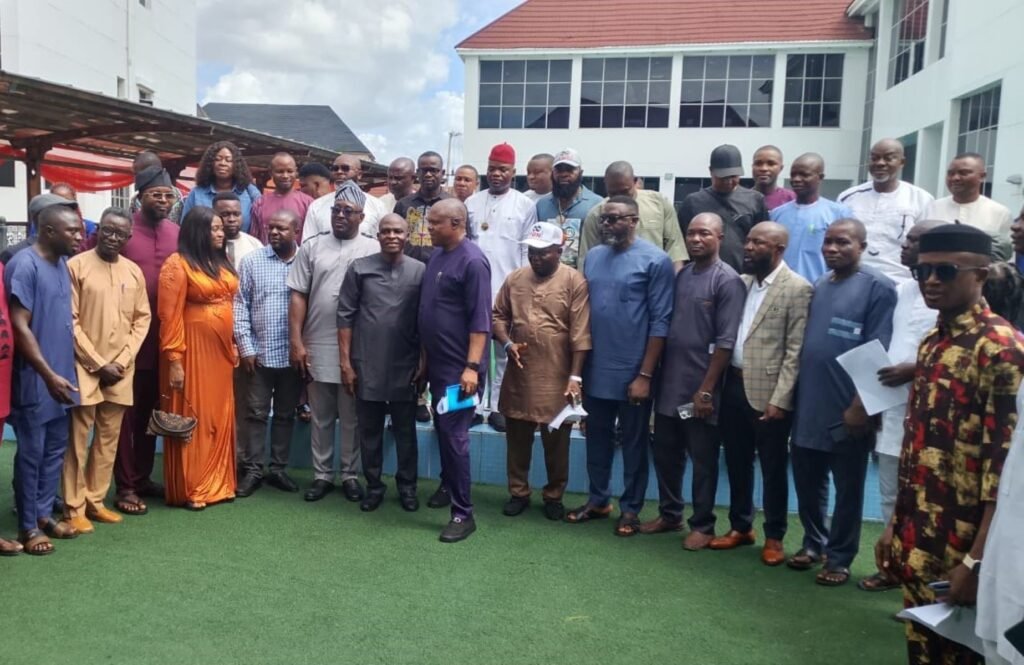
Agbo, however, argued that while equity and communal harmony were important, they should not replace the constitutional role of voters in determining who represents them at the various levels of government.
“One of the major problems in Nigeria that has continued to contribute to underdevelopment and bad governance is the practice of appointing people into public positions based on ethnicity and religion instead of good character, competence and outstanding performance,” he said.
The ITF president urged voters to scrutinise the records, capacity, character and achievements of all aspirants before making their choices, stressing that kindred affiliation should not be the principal consideration.
He said the principle should apply to all contestants within Izhi Clan, including Senator Onyekachi Nwebonyi and other aspirants seeking elective positions in 2027.
“Any decision to support a particular candidate should be based on brilliant performance and not kindred,” Agbo said.
Beyond politics, Agbo called for a comprehensive restructuring of the Ebonyi State Government’s cabinet and administrative architecture, particularly as the administration prepares for its next phase.
He advised the governor to give greater consideration to professionals, accomplished business leaders and people with relevant technical expertise, exposure to innovation and a demonstrated commitment to public service.
According to him, restructuring the government should also be accompanied by measures to reduce the cost of governance and eliminate overlapping responsibilities among ministries, departments and agencies.
Agbo specifically questioned the need for separate portfolios covering works, infrastructure concession, project monitoring and rural development, arguing that some responsibilities could be consolidated to improve coordination and efficiency.
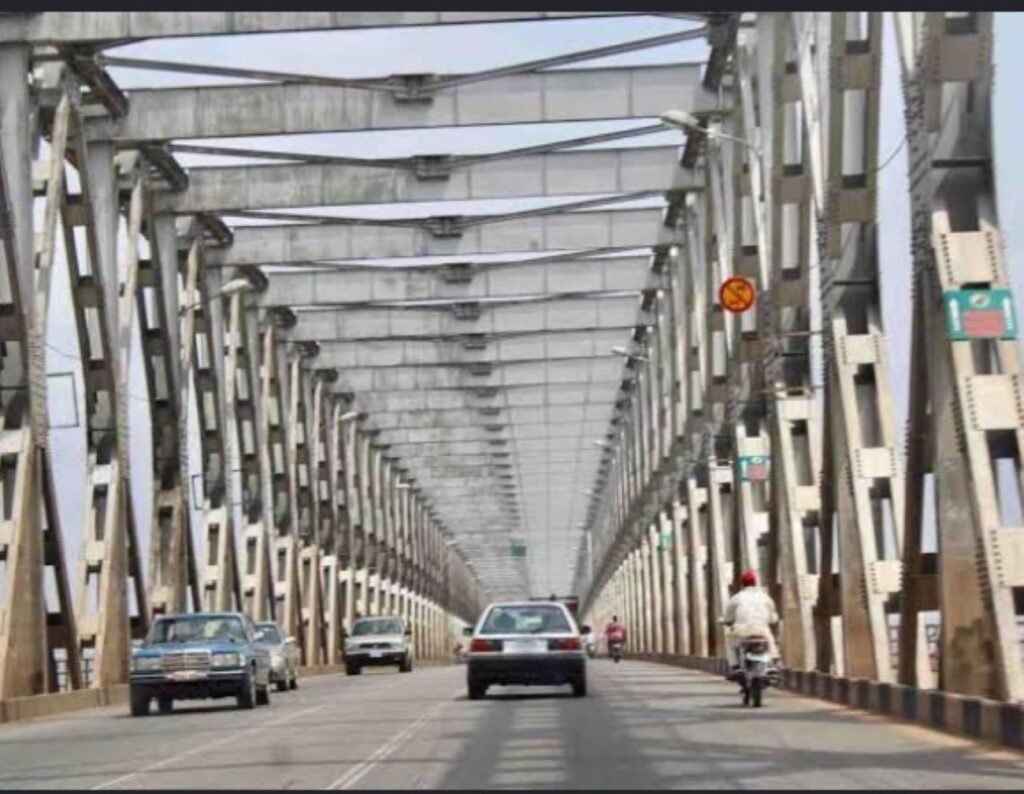
“What is the need for having the Ministry of Works, Ministry of Infrastructure for Concession, Ministry of Projects Monitoring and another Commissioner for Rural Development?” he queried.
He proposed that the Ministry of Works should have primary responsibility for infrastructure delivery, while local government administration could incorporate chieftaincy affairs and rural development.