Tech
West Africa must prioritize road maintenance over new projects — NIHTE Chairman

By Fatima Yusuf
The National Chairman of the Nigerian Institution of Highway and Transportation Engineers (NIHTE), Bola J. Mudasiru, has urged West African governments to prioritise road maintenance over new construction projects, warning that neglect of existing infrastructure could lead to costly failures, endanger lives and waste public funds.
Mudasiru said inadequate maintenance funding, weak enforcement of engineering standards and poor accountability were undermining the durability of roads, bridges and drainage systems across the region.
He made the call while delivering a keynote address at the 2026 International Conference on Engineering, Sustainable Development and Allied Matters (ICESDA 2026) in Accra, Ghana, where he advocated a shift from celebrating project commissioning to ensuring the long-term performance of public infrastructure.
Speaking on the theme, “Delivering Roads and Bridges That Last: Engineering Standards and Asset Governance Across West Africa,” the NIHTE chairman maintained that the region’s infrastructure challenges stemmed less from a shortage of engineering expertise than from institutional failures to enforce established standards and adequately fund infrastructure throughout its useful life.
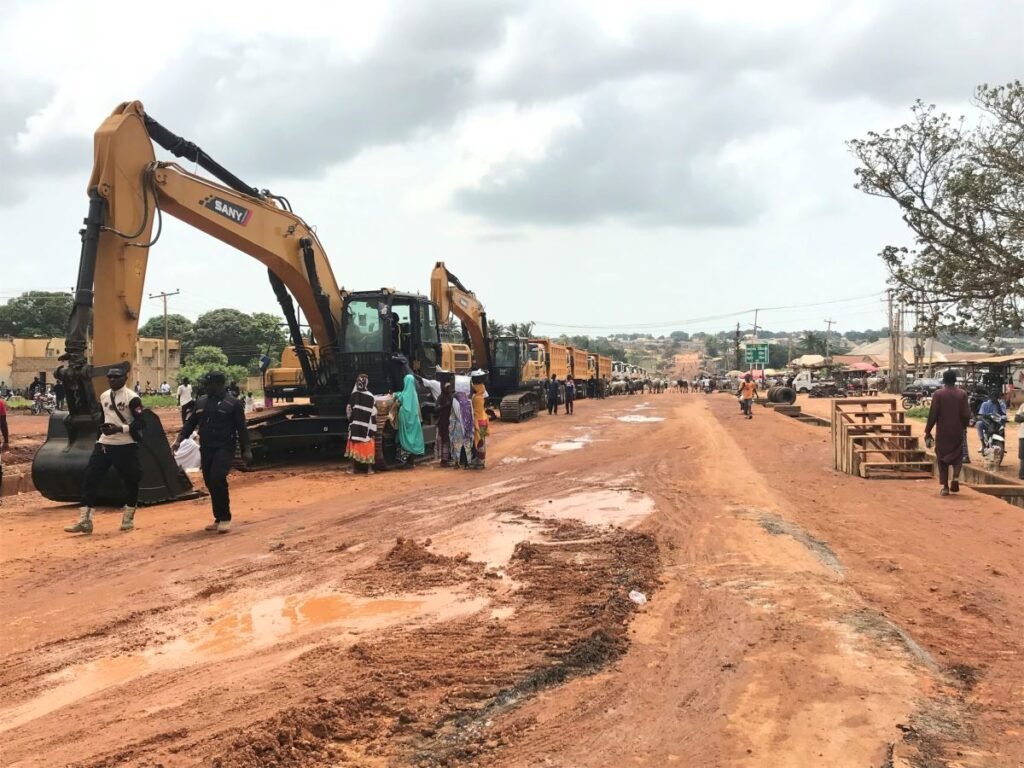
He warned that postponing routine maintenance could allow minor defects to develop into major structural problems, resulting in expensive rehabilitation, traffic disruptions and, in severe cases, the premature replacement of public assets.
“Neglect is not savings. Neglect is deferred cost—and it is usually paid at a much higher price,” he said.
According to him, roads without maintenance plans, bridges that are not regularly inspected and drainage channels left uncleared could eventually become public liabilities and threaten human lives.
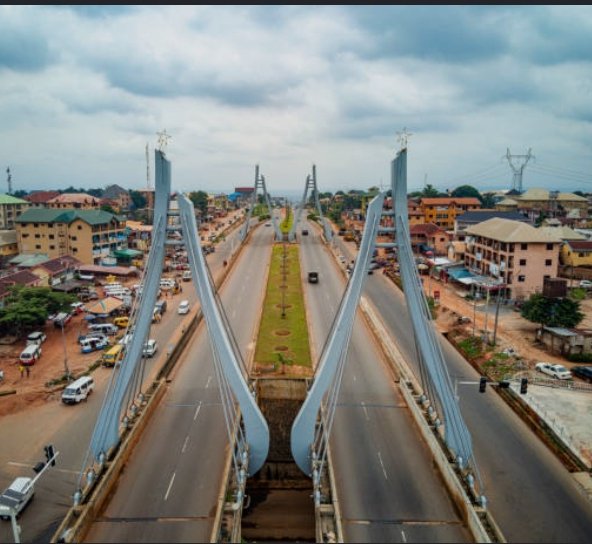
Mudasiru argued that the value of infrastructure should not be measured solely by the successful completion of construction contracts but by its ability to provide safe, reliable and sustainable services over several decades.

“A project can be completed successfully as a contract, yet fail as a public asset. Contract completion is a milestone. Asset performance is the real test,” he stated.
The engineer also expressed concern over the disregard for approved engineering specifications, noting that inaccurate traffic projections, inadequate drainage designs, substandard construction materials and undocumented design changes could undermine infrastructure quality.
He explained that while poor construction practices could compromise a sound engineering design, contractors could not correct fundamental deficiencies in the original design.
He therefore urged governments to ensure that roads intended to carry heavy freight traffic were designed using realistic traffic forecasts, while bridges and other infrastructure were built to withstand flooding, erosion and climate-related pressures.
The NIHTE chairman called for stricter enforcement of engineering specifications, insisting that any departure from approved standards must be properly documented and supported by a comprehensive risk assessment.
Such documentation, he said, should clearly establish the reasons for the deviation, the authorities responsible for approving it and its implications for public safety, project costs and infrastructure lifespan.
Mudasiru stressed that engineering standards could only produce the desired results when institutions consistently enforced them and held officials accountable for decisions affecting public infrastructure.
On regional cooperation, he called for stronger collaboration among West African countries to improve the durability of transport corridors and facilitate cross-border trade.
He noted that the Economic Community of West African States (ECOWAS) and its member countries were working towards harmonising regional road design codes and manuals to reflect the area’s climatic conditions, construction materials, topography and road safety requirements.
According to him, a common engineering framework would promote consistency in road development while allowing justified adjustments to accommodate local conditions.
Mudasiru also identified truck overloading as a major contributor to road deterioration across the region, urging ECOWAS and the West African Economic and Monetary Union (UEMOA) to strengthen coordination in enforcing axle-load regulations.
He called for effective enforcement at ports, border crossings, industrial facilities and major freight routes, warning that regulations would have little impact without reliable data, adequate enforcement capacity and clear accountability.

“A rule on paper is not enough. Enforcement, data, capacity and accountability must work on the ground,” he said.
He added that effective axle-load control would reduce pressure on road infrastructure, lower maintenance costs and improve the sustainability of transport networks supporting regional commerce and economic activities.
The NIHTE chairman further urged engineering professionals and financiers to work more closely to ensure that infrastructure investments deliver sustainable economic and social benefits.
He said investors considered factors beyond initial construction costs, including the credibility of project sponsors, transparency, realistic cost estimates, predictable regulations and the long-term performance of infrastructure.
He urged professionals in the built environment to ensure that feasibility studies, engineering designs, risk assessments and construction quality met the requirements for technically sound and financially sustainable projects.
“Africa needs shovel-worthy projects: technically sound, financially viable, socially beneficial, climate-resilient and maintainable,” he said.
Mudasiru maintained that credible project preparation, disciplined investment and professional accountability were essential to expanding infrastructure development and promoting economic prosperity across the continent.
To address recurring infrastructure failures, he called on governments to align road designs with actual traffic demands and environmental conditions while making engineering standards enforceable.
He also advocated comprehensive asset records during project handovers to enable infrastructure managers to plan inspections, maintenance and rehabilitation more effectively.
He said maintenance budgets should be based on the actual physical condition of roads and bridges rather than arbitrary allocations, while procurement decisions should prioritise long-term value instead of focusing exclusively on initial construction costs.
The engineer further called for stronger professional accountability and deeper regional cooperation, stressing that sustainable infrastructure management required clearly defined responsibilities, reliable data, technical competence and consistent institutional commitment.
He urged governments to assess roads and bridges based on their safety, functionality and maintenance status rather than merely celebrating their commissioning.
Mudasiru said adopting a lifecycle approach to infrastructure management would help West African countries prevent avoidable infrastructure failures, protect public resources and develop transport networks capable of serving present and future generations.
“Maintenance is not an afterthought. It is an expression of the value we place on public assets, public resources and the people who depend on them,” he said.