News
Benue Govt Vows To Strengthen Adolescent Reproductive Health


From Attah Ede, Makurdi
……, Launches ACCESS Programme
The Benue State Ministry of Health and Human Services has reaffirmed its commitment towards reducing maternal mortality and improving adolescent sexual and reproductive health.
Towards this end, the Big Sister Mentorship Training under the Access to Comprehensive Care & Essential Support Services (ACCESS) Programme has been launched in the State.
Speaking while declaring open the Big Sisters Training on Reproductive, Maternal, Newborn, Child and Adolescent Health (RMNCAH) and referral linkage services in Gwer-West and Okpokwu Local Government Areas,
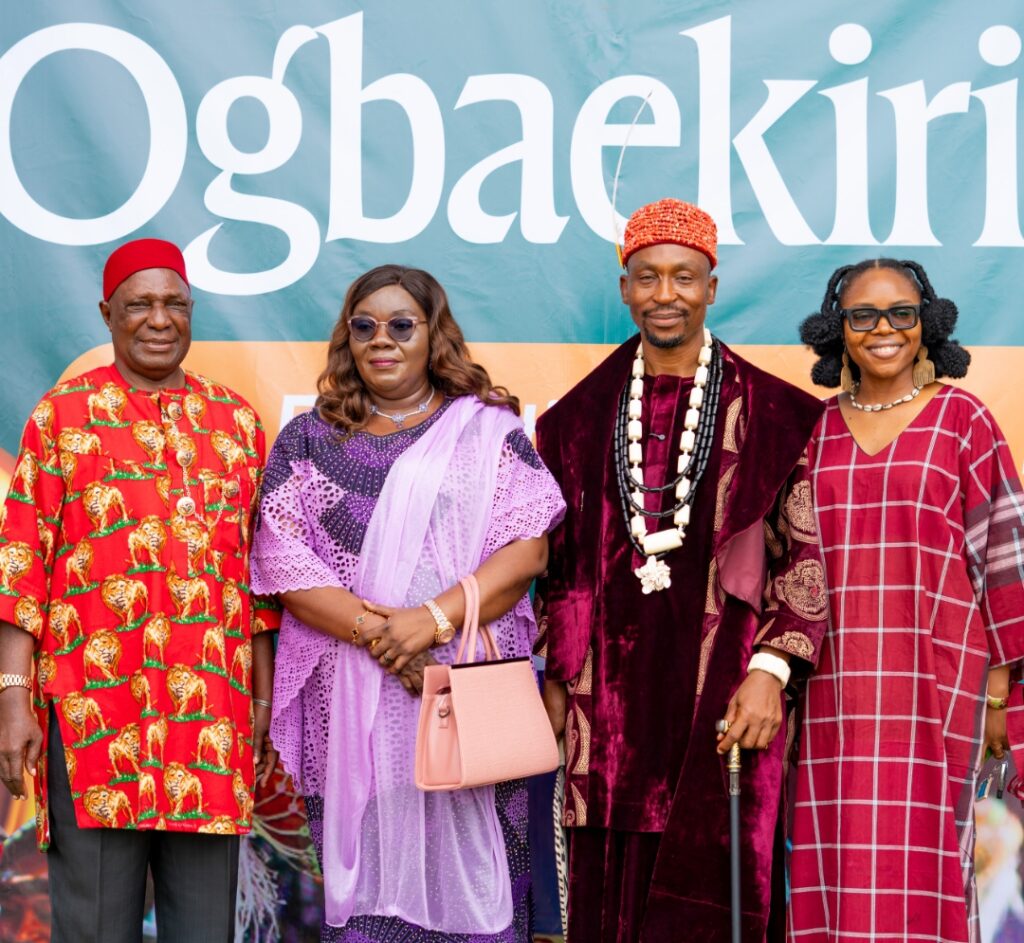
State Commissioner for Health and Human Services at the weekend, Paul Ejeh-Ogwuche, noted that the initiative was a strategic and community-driven intervention aimed at strengthening grassroots health systems.
He maintained that the training will equip selected “Big Sisters” with the knowledge, skills, and leadership capacity required to serve as peer educators, mentors, and community health mobilizers.
The commissioner stated that Benue State is proud to be part of the national initiative, noting that cultural, social, and geographic barriers often prevent adolescents from accessing healthcare services.
“The Big Sister model directly addresses these challenges by investing in trusted community women who can influence health decisions at the household and community levels.
“The initiative, implemented through a consortium of development partners including WCAHealth, Solina, and Ipas, is designed to empower communities through education, mentorship, and improved linkage to health services.
“The programme specifically targets adolescent girls and young women, addressing the persistent challenge of preventable maternal deaths linked to unsafe abortions, teenage pregnancies, and limited access to reproductive health information.
“Participants will be trained on adolescent sexual and reproductive health, family planning, maternal and newborn care, nutrition, hygiene, prevention and management of sexually transmitted infections, and early identification and referral of reproductive health complications”, Ogwuche said.
He further enjoined to actively engage in the sessions and cascade the knowledge gained to their communities, with the expectation that the programme will lead to increased awareness, improved health-seeking behaviour, and stronger community-facility linkages in Gwer-West and Okpokwu Local Government Areas and beyond.
According to him, the programme seeks to bridge the gap between communities and health facilities by establishing strong referral pathways and encouraging early health-seeking behaviour among young people.
“It also aligns with the Benue State Government’s broader agenda of revitalizing primary healthcare, improving access to RMNCAH services, and advancing the Sustainable Development Goals, particularly Goal 3 (Good Health and Well-being) and Goal 5 (Gender Equality)”, Ogwuche said.
He assured that the Ministry of Health and Human Services is committed to providing an enabling environment for partners, strengthening health facilities, and supporting community-based innovations that will improve health data, outcomes, and service uptake across the state.
In collaboration with the Federal Government of Nigeria through the Federal Ministry of Health and Social Welfare, the National Primary Health Care Development Agency (NPHCDA), the Sector-Wide Approach (SWAp) Coordination Office, and State Ministries of Health, the Big Sister Mentorship Training was simultaneously launched across Benue, Enugu, and Taraba States as a core component of the ACCESS Programme.
A total of 60 Big Sisters—20 from each participating state are being trained and deployed to their wards to mentor and guide adolescent girls known as “Little Sisters.”

Through this model, community women will provide accurate Sexual and Reproductive Health and Rights (SRHR) information, facilitate referrals to adolescent-friendly primary health care facilities, and help reduce stigma surrounding adolescent health-seeking behaviour.
The ACCESS Programme is a Government of Nigeria initiative aimed at increasing access to comprehensive sexual and reproductive health services and reducing maternal mortality, with special emphasis on adolescents and young people.
WCAHealth leads community engagement and demand-generation activities as a technical implementation partner, working alongside the Benue State Government to ensure successful implementation