Politics
2027: No Igbo Man Will Accept Presidency for Only Four Years, Umahi Tells Obi

…Urges South-East Leaders, CAN, Traditional Rulers to Support Tinubu’s Re-election
By Godwin Okeh
The Minister of Works, Senator David Umahi, has declared that no Igbo man would accept to occupy Nigeria’s presidency for only four years, insisting that the South-East must adopt a strategic political approach ahead of the 2027 general election.
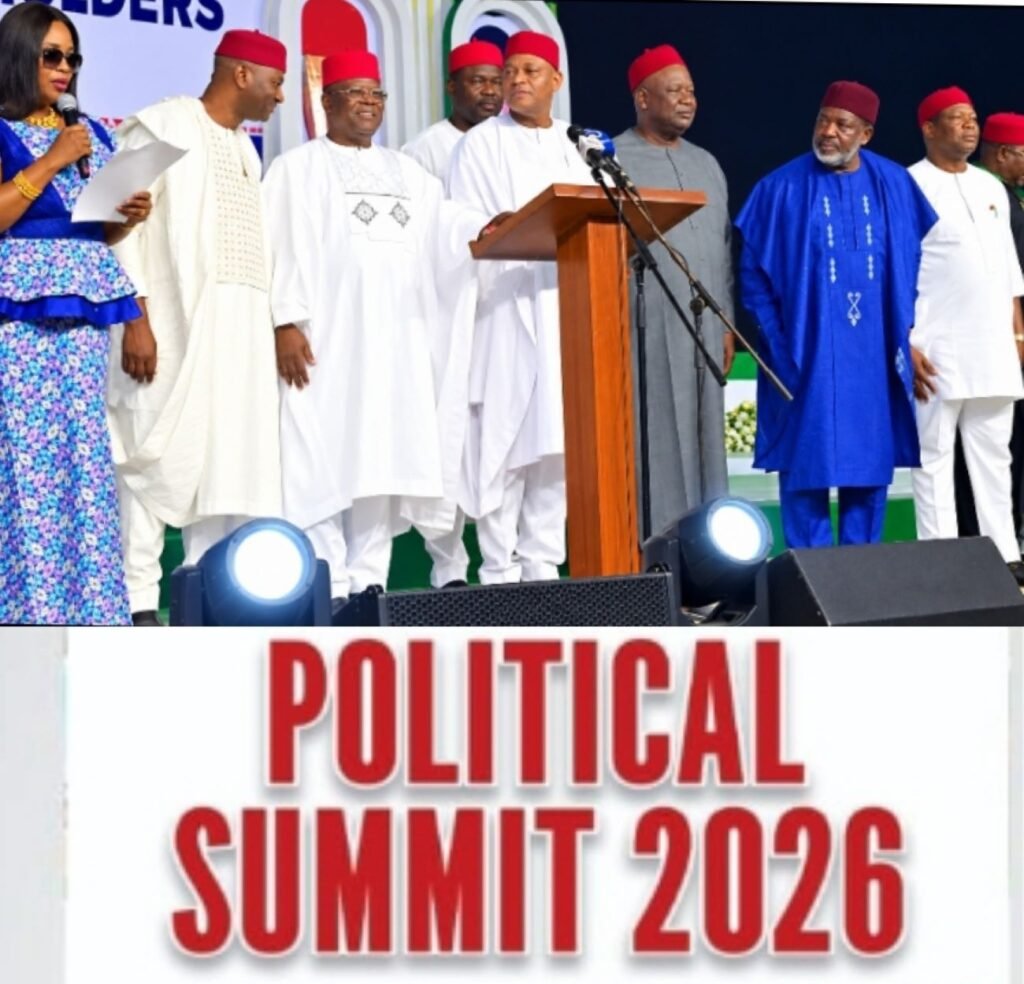
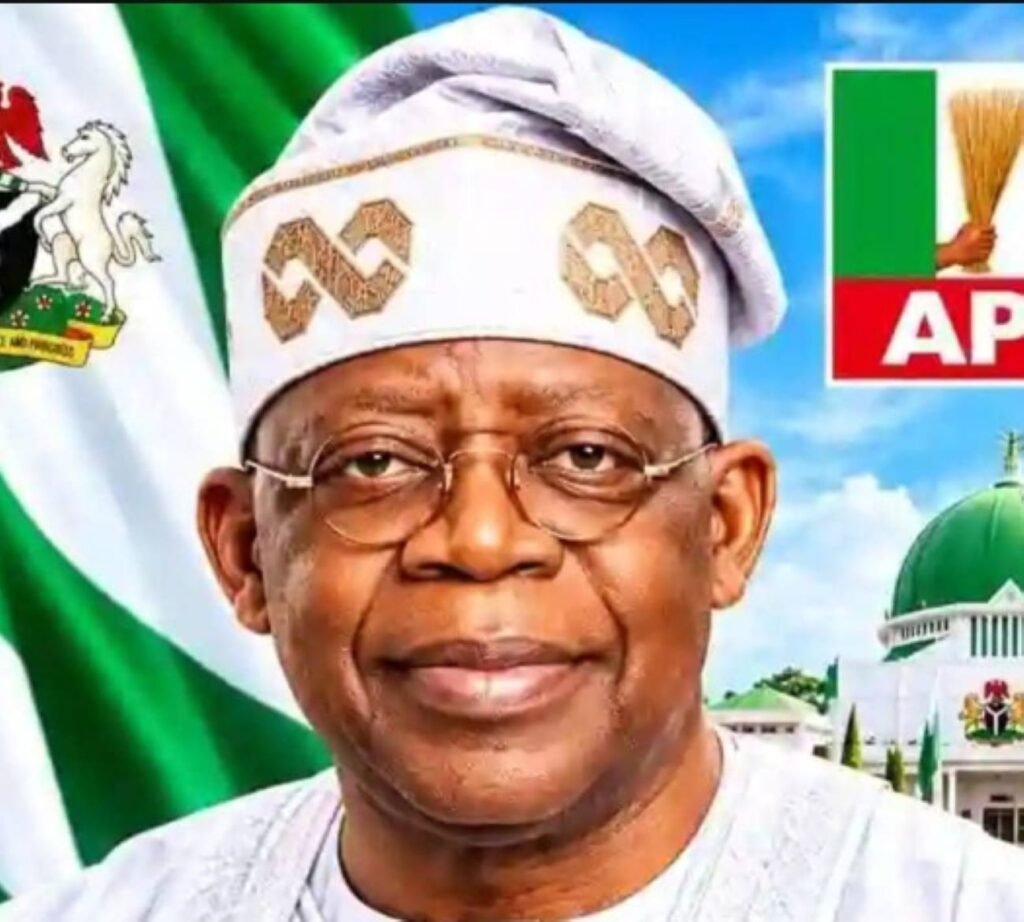
Umahi, who spoke at a town hall meeting with political stakeholders and leaders of Ebonyi State at the Ecumenical Centre, Abakaliki, said the South-East should support President Bola Tinubu’s re-election bid to enable the region strategically position itself for future political opportunities.
The minister, who appeared to be making a veiled reference to the presidential ambition of the Labour Party’s 2023 presidential candidate, Peter Obi, argued that the South-East should prioritize political calculations and long-term interests over sentiments and inflammatory rhetoric.
He maintained that the region should not expect to secure the presidency through hate speeches, political insults or emotional appeals, but through strategic engagement and cooperation with other geopolitical zones.
Umahi said: “There is no way an Igbo man, after staying for 60 years, will want to be President for four years. There is nobody that can accept that. The North has not accepted to be President for four years.”

He explained that his support for Tinubu’s second-term ambition was informed by the need to sustain political cooperation and build relationships that could strengthen the South-East’s chances of producing a future president.
“We are supporting President Bola Ahmed Tinubu to finish his remaining four years so that the South-East would have strategically supported another region. So that when it is our turn, we will not get this thing by hate speeches. They will not give it to us by sentiments,” he said.
The former Ebonyi State governor urged religious leaders, particularly the Christian Association of Nigeria (CAN), traditional rulers and other influential stakeholders to take clear positions on the political future of the region rather than remain neutral.
According to him, religious institutions and traditional authorities have important roles to play in guiding the people towards decisions that would promote justice, political stability and the collective interest of the South-East.
“I want to tell our religious leaders and the Christian Association of Nigeria, CAN, do not stay on the fence. I know when I was struggling to be governor, CAN took a decision and said justice must prevail. CAN should not keep quiet. Let us toe the path that must sustain our freedom,” Umahi stated.
The minister also cautioned against what he described as the growing influence of hate speeches and political intolerance on social media, particularly attacks against individuals who do not support Obi’s presidential aspiration.
He questioned the tendency to label political leaders and other prominent personalities as saboteurs simply because they do not align with Obi’s political ambition.
“Anybody that is not supporting Peter Obi, is a saboteur, you insult the person. Who is Peter Obi better than? Is he better than Sam Egwu? Is he better than Elias Mbam? Is he better than Anyim Pius? Whom is he better than?” he queried.
Umahi further argued that the South-East had recorded significant political inclusion under the Tinubu administration, citing appointments into strategic positions, including the Ministry of Works and the military leadership.
He specifically referenced the appointment of an Igbo officer as Chief of Naval Staff in the previous round of military appointments and the subsequent appointment of another South-East indigene as Chief of Air Staff.
He also listed his position as Minister of Works and other ministerial and senior government appointments as evidence of what he described as the region’s growing integration into the national political structure.
“Today, we can boldly say we have been integrated. The last time there were chosen service chiefs, it was Naval Chief. This time, it is Chief of Air Staff, Minister of Works, other ministers, SSAs, what else?” he asked.
The minister added that economic activities in the South-East had also benefited from improved road infrastructure and what he described as easier processes for traders clearing their goods.
He urged the people of the region, particularly business owners and political stakeholders, to consider the economic and political implications of their decisions as the 2027 elections approach.
Umahi also dismissed suggestions that the South-East lacked influential political figures, arguing that the region had produced several prominent leaders with substantial political experience and national recognition.

He maintained that Ebonyi State and other South-East states had the right to make independent political choices without being subjected to intimidation, insults or political blackmail.
The minister’s remarks are expected to generate further debate within the South-East political establishment over the region’s presidential calculations, its relationship with the ruling All Progressives Congress and the competing political interests ahead of the 2027 general election.